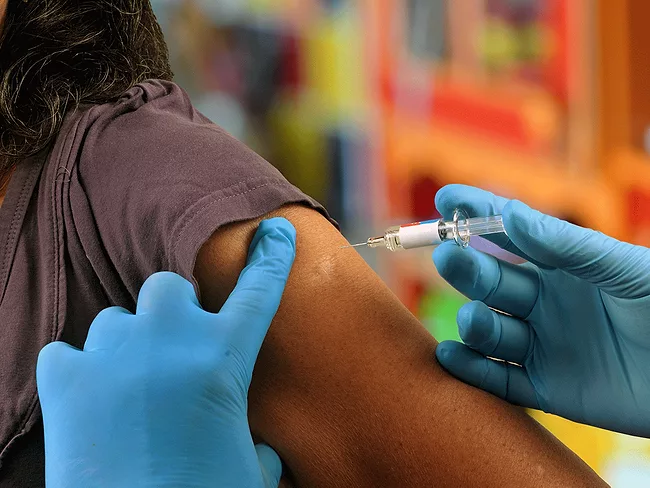
Right on cue, the U.S. FDA authorized bivalent COVID-19 vaccines from Moderna Inc. and Pfizer Inc.-Biontech SE to be given as boosters at least two months following a primary vaccine series or a previous booster. “These updated boosters present us with an opportunity to get ahead of the next wave of COVID-19,” FDA Commissioner Robert Califf said, following the Aug. 31 announcement.
Stemcyte Inc. has received IND approval from the FDA for a phase II trial using umbilical cord blood stem cell therapy for post-COVID syndrome, or long COVID.
The FDA has cleared Inhibikase Therapeutics Inc.'s IND application for IkT-001Pro for the treatment of chronic myelogenous leukemia (CML). IkT-001Pro is a prodrug formulation of imatinib mesylate and has been developed to improve the safety of the first FDA-approved Abelson (Abl) kinase inhibitor, Gleevec (imatinib).
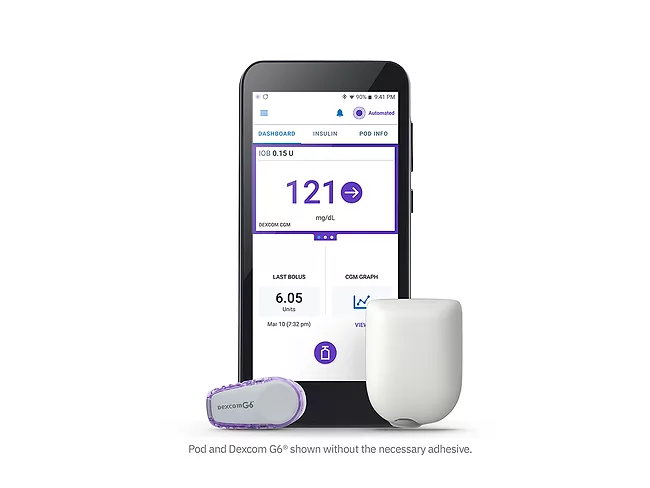
Insulet Corp. got the U.S. FDA’s nod to extend use of its Omnipod 5 automated insulin pump to children aged 2 years and up with type 1 diabetes. The expanded indication, just seven months after FDA cleared Omnipod 5 for patients 6 years and older, represents the first time a tubeless automated insulin delivery (AID) system has been authorized for use in children this young.
Moderna Inc.’s and Pfizer Inc.-Biontech SE’s COVID-19 bivalent boosters could be coming to the U.S. in the first week or so of September – even though the U.S. FDA just received the completed emergency use authorization (EUA) requests for the vaccines this week. The CDC is already taking pre-orders from providers, states and other jurisdictions for the yet-to-be authorized booster doses as part of its fall-winter booster campaign strategy. It also scheduled a Sept. 1-2 meeting of its Advisory Committee for Immunization Practices, signaling that it expects the FDA to grant the EUAs by the end of August.
The recall of CPAP, BiPAP and ventilator devices made by Philips Respironics Inc., of Murrysville, Pa., is now in its second year, but the rate of reported adverse events was exceedingly low prior to the onset of the June 2021 recall. Those numbers continued to climb in May, June and July of 2022, however, reaching 48,000 medical device reports and 44 deaths said to be associated with the recalled devices, a pace that would easily overwhelm the volume of reports seen in the 12 months ending April 30, 2022.
Valentine’s Day is a great day for creating that tingly feeling, but Abbott Park, Ill.-based Abbott Laboratories believes that this is not a good sensation for patients who are in search of pain relief via spinal cord stimulation (SCS) devices. Thus, the company touts its Proclaim Plus as a system that delivers a tightly titrated charge to multiple sites on the spinal cord to generate an analgesic effect without that tingling sensation, an outcome the company said is preferred by 87% of those in need of SCS for pain relief.
Additional deaths believed to be associated with one of Foghorn Therapeutics Inc.'s lead candidates led the U.S. FDA to put a full clinical hold on its phase I study in relapsed and/or refractory acute myelogenous leukemia and myelodysplastic syndrome.
While other COVID-19 vaccine makers are developing bivalent boosters comprising the original SARS-CoV-2 strain and an omicron variant, Russia’s Gamaleya National Research Center of Epidemiology and Microbiology is trekking a different course. Leaving behind the ancestral strain, Gamaleya’s next generation of the Sputnik V vaccine has been specifically adapted against delta and omicron variants of the coronavirus.
In the six years since the U.S. FDA issued its final guidance on charging for drugs used under an investigational new drug (IND) application for clinical trials or expanded access, the agency has received several questions about how it is implementing regulations on the matters. To answer those questions, the FDA released a revised draft guidance that, when finalized, will replace the guidance issued in 2016.
 RSS
RSS