An alleged coverup of NIH-funded gain-of-function research at China’s Wuhan Institute of Virology has led to criminal charges against a former career scientist and top aide to Tony Fauci, the head of the National Institute of Allergy and Infectious Diseases in the time of the COVID-19 pandemic.
Researchers in the U.K. have developed an AI-driven method of identifying viruses in wild animals with the potential to spillover into humans. The technique makes it possible to use the genome sequences of the spike proteins by which viruses enter host cells to assess the potential to infect humans without having to isolate an individual virus and tests its infectivity in the lab.
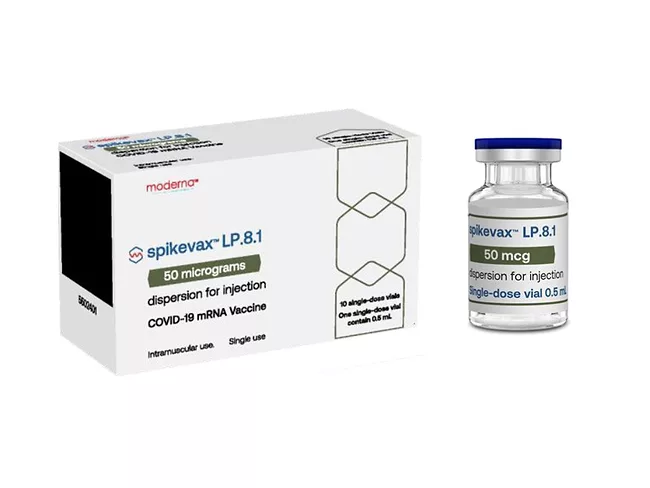
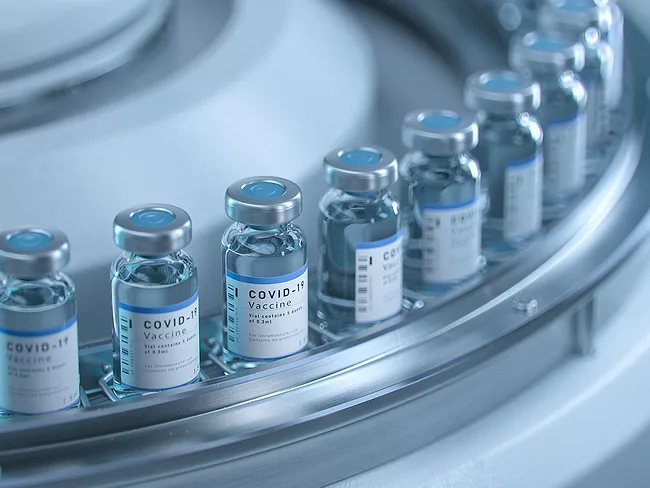
In what it says could be the largest disclosed patent settlement in the pharmaceutical industry, Roivant Sciences Ltd. has reached a potential $2.25 billion settlement with Moderna Inc. over the use of its lipid nanoparticle delivery technology in the Spikevax COVID-19 vaccine.
A week after catching Moderna Inc. and its investors off guard with a refuse-to-file letter, the U.S. FDA has reversed course on the company’s BLA submission seeking approval of seasonal influenza vaccine mRNA-1010, now agreeing to review the application and setting an assigned PDUFA date of Aug. 5, 2026.
BioWorld’s 2022 end-of-year highlights included a toast to the future – of universal vaccines. Even before SARS-CoV-2 vaccines were developed in record time and saved countless lives during the COVID-19 pandemic, vaccines were a rare bright spot in the fight against infectious diseases. Bacteria are becoming multidrug resistant far faster than new classes of antibiotics are being developed, viral spillover events and vector ranges are increasing, and climate change is helping bacteria and fungi alike breach human thermal protections against infections.
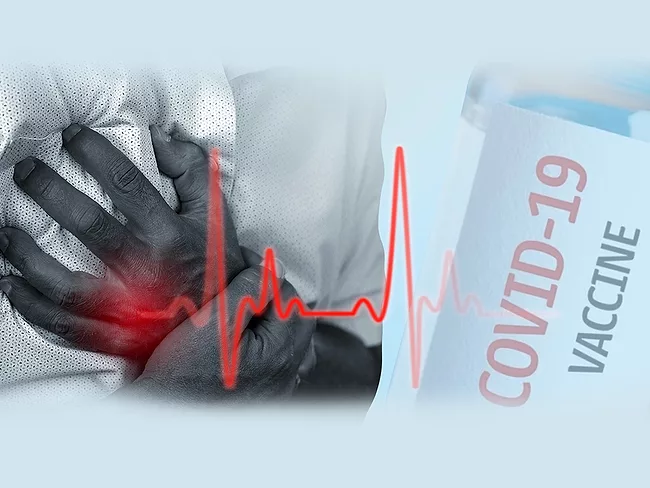
The cardiomyositis that is a rare adverse effect of mRNA-based COVID vaccines is due to immune cell activity as a result of increased levels of the chemokines CXCL10 and interferon-γ (IFN-γ). Blocking CXCL10 and IFN-γ could prevent muscle cell damage in cell culture, and cardiomyositis in animal models. The findings, reported in the Dec. 10, 2025, issue of Science Translational Medicine, suggest a way of mitigating the risk of cardiomyositis.
Restricting the recommended use of COVID-19 vaccines in the U.S. wasn’t enough. Now the Children’s Health Defense (CHD) is trying to get the FDA to revoke the BLAs for all versions of the Moderna Inc. and Pfizer Inc.-Biontech SE COVID-19 vaccines.
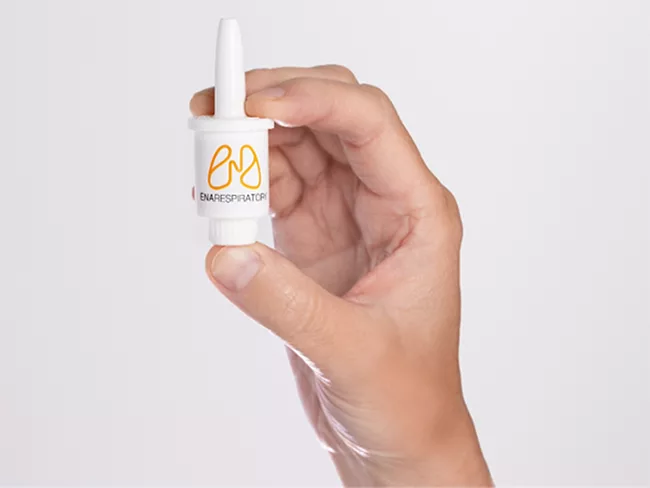
Ena Respiratory Pty Ltd. raised an AU$34 million (US$22.4 million) series B round to advance INNA-051, its nasal spray for symptomatic viral respiratory infections, to phase II trials. New investors in the Melbourne-headquartered company include the Gates Foundation and Flu Lab. Existing investors Brandon Capital, Uniseed and Stoic Venture Capital also participated in the round.
Even though the U.S. CDC is operating on a skeleton crew due to the partial government shutdown, it is updating its immunization schedules to adopt the COVID-19 and chickenpox vaccine recommendations the Advisory Committee on Immunization Practices (ACIP) made at its September meeting.
While the discussions and votes at the past two meetings of the U.S. CDC Advisory Committee for Immunization Practices (ACIP) have generated a lot of controversy and resulted in some states and medical groups issuing their own vaccine schedules, the truth is that the newly reconstituted committee’s recommendations to date are still in line with, or more generous in some instances than, global norms.

 RSS
RSS