Aligos Therapeutics Inc. and Katholieke Universiteit Leuven (KU Leuken) have synthesized antiviral compounds reported to be useful for the treatment of coronavirus acute respiratory syndrome, norovirus and picornavirus infections.
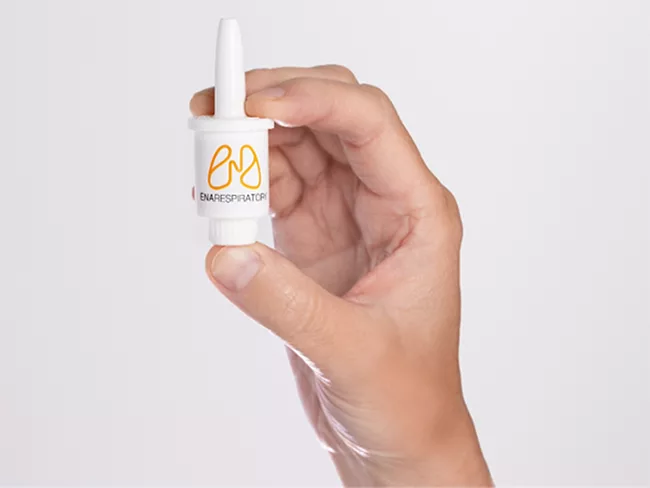
Ena Respiratory Pty Ltd. raised an AU$34 million (US$22.4 million) series B round to advance INNA-051, its nasal spray for symptomatic viral respiratory infections, to phase II trials. New investors in the Melbourne-headquartered company include the Gates Foundation and Flu Lab. Existing investors Brandon Capital, Uniseed and Stoic Venture Capital also participated in the round.
Ena Respiratory Pty Ltd. raised an AU$34 million (US$22.4 million) series B round to advance INNA-051, its nasal spray for symptomatic viral respiratory infections, to phase II trials. New investors in the Melbourne-headquartered company include the Gates Foundation and Flu Lab. Existing investors Brandon Capital, Uniseed and Stoic Venture Capital also participated in the round.
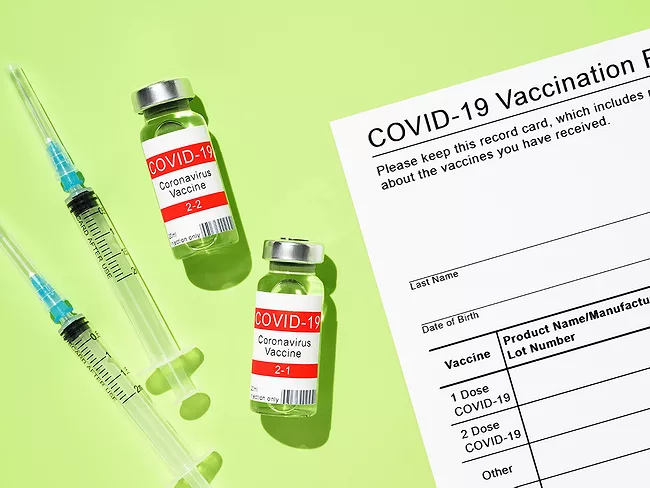
Even though the U.S. CDC is operating on a skeleton crew due to the partial government shutdown, it is updating its immunization schedules to adopt the COVID-19 and chickenpox vaccine recommendations the Advisory Committee on Immunization Practices (ACIP) made at its September meeting.
Even though the U.S. CDC is operating on a skeleton crew due to the partial government shutdown, it is updating its immunization schedules to adopt the COVID-19 and chickenpox vaccine recommendations the Advisory Committee on Immunization Practices (ACIP) made at its September meeting.
While the discussions and votes at the past two meetings of the U.S. CDC Advisory Committee for Immunization Practices (ACIP) have generated a lot of controversy and resulted in some states and medical groups issuing their own vaccine schedules, the truth is that the newly reconstituted committee’s recommendations to date are still in line with, or more generous in some instances than, global norms.
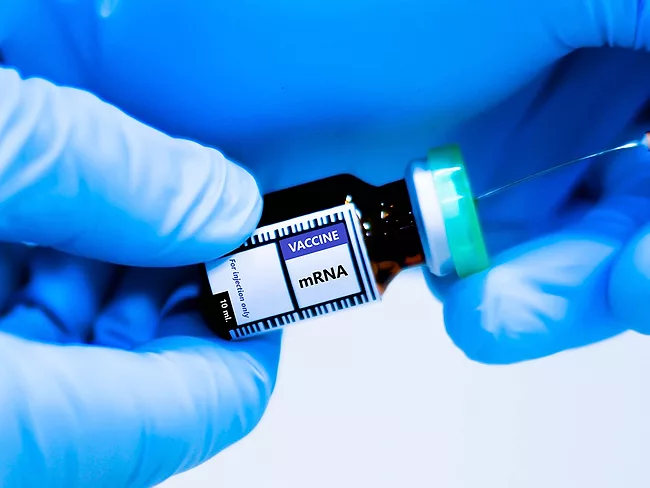
GC Biopharma Corp. has filed an IND application with the South Korean Ministry of Food and Drug Safety (MFDS) for a phase I trial of GC-4006A, an mRNA vaccine candidate for COVID-19.
The second day’s meeting of the U.S. CDC’s Advisory Committee for Immunization Practices (ACIP) took up guidelines related to COVID-19 vaccines, of which an outspoken skeptic is Health and Human Services Secretary Robert Kennedy – who in June fired all 17 members of ACIP and replaced them with names more to his liking.

 RSS
RSS