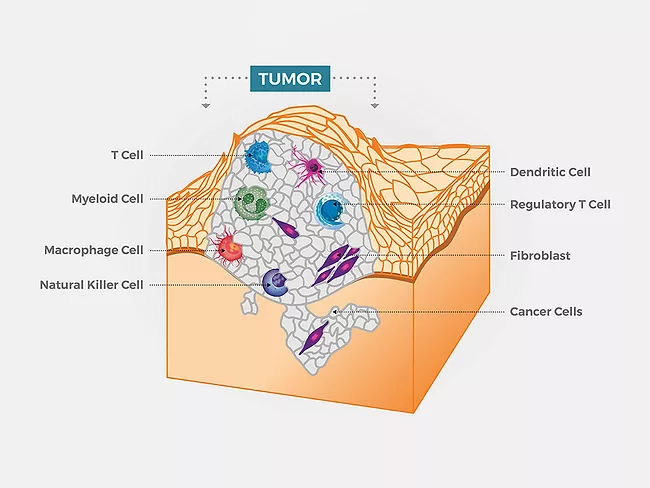
Chemokine (C-C motif) receptor 8 (CCR8), a member of the β chemokine receptor family, contributes to the recruitment and immunosuppressive function of regulatory T (Treg) cells within the tumor microenvironment.
Part of the reason for CAR T cells’ astonishing success in B-cell cancers is that B cells are astonishingly easy to replace. CAR T cells are specific, yes. But they are not specific to tumor cells. They are specific to their target antigens. In the case of Yescarta (axicabtagene ciloleucel, Gilead Sciences Inc.) and Kymriah (tisagenlecleucel, Novartis AG), the first two clinically approved T cells, that target is CD19, which is expressed on B-cell precursors. And when it is successful, the treatment leaves patients without any B cells at all.
Researchers from Eutilex Co. Ltd. have presented preclinical data for the novel V-set and immunoglobulin domain-containing 4 (VSIG4)-specific humanized monoclonal antibody, EU-103, being developed as a potential cancer immunotherapy candidate.
Son of sevenless 1 (SOS1) is a guanine exchange factor (GEF) primarily responsible for linking cell-surface receptors to RAS protein activation converting the inactive form of GDP-loaded RAS proteins into the active GTP-loaded RAS. This role together with its function in inhibiting MAPK pathway reactivation suggest that SOS1 may be a therapeutic target to treat KRAS-driven cancers.
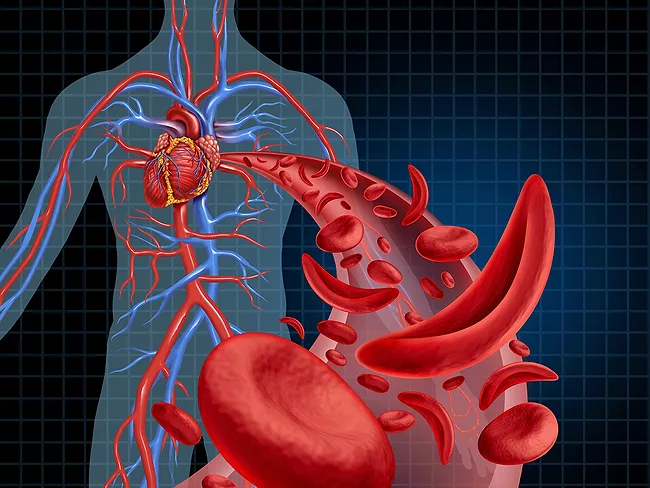
Barring truly major surprises, exagamglogene autotemcel (Exa-cel, Vertex Pharmaceuticals Inc.) is on track to become the first approved CRISPR-based gene editing therapy. It is partly in expectation of Exa-cel’s approval that the European Hematology Association (EHA) and the European Society for Bone Marrow Transplantation hosted a session on “transplantation versus gene therapy in sickle cell disease.”
Tuberculosis (TB) is the 13th leading cause of death in the world, and it is rising together with the increased prevalence of drug-resistant TB in many countries. The Bacille Calmette-Guerin (BCG) vaccine is the only available TB vaccine, and it has been given to more people than any other vaccine. While the BCG vaccine has saved tens of millions of lives, it confers suboptimal protection against pulmonary TB as it is limited to providing protection only until early childhood. Significantly, the BCG vaccine is administered intradermally to confer exceptional mucosal immunity as compared to most other vaccines, which are more commonly administered intramuscularly. Novel strategies to improve the duration of TB mucosal immunity are urgently needed.
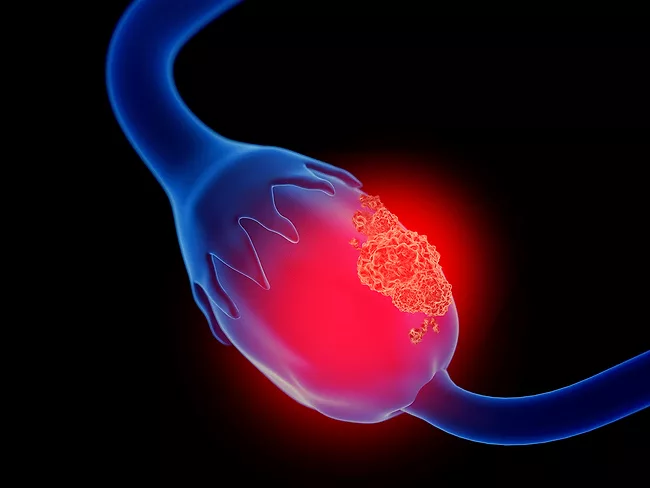
At the recent ASCO meeting, researchers from the University of Rochester reported preclinical data for on a new small-molecule inhibitor of WAP four-disulfide core domain protein 2 (HE4) – UR-238 – that is being investigated for the treatment of cancer.
Autotaxin (ATX) is an enzyme responsible for the production of lysophosphatidic acid (LPA), which plays a role in the pathogenesis of systemic sclerosis (SSc). Researchers from Mitsubishi Tanabe Pharma Corp. and colleagues have reported on the preclinical evaluation of MT-5562, a novel oral ATX inhibitor, as a therapeutic option for SSc.
 RSS
RSS