At the ongoing EASL meeting, researchers from Hepagene Therapeutics Inc. presented preclinical data for the novel thyroid hormone receptor β (THR-β) agonist HPG-7233, being developed for the treatment of nonalcoholic steatohepatitis (NASH).
During the first talk of the Basic Science Seminar sessions at the 2023 EASL International Liver Congress, focusing on the gut-liver axis, Prof. Maria Rescigno from Humanitas University presented data on the interaction between the gut and the liver and the role of microbiota and intestinal permeability in health and disease.
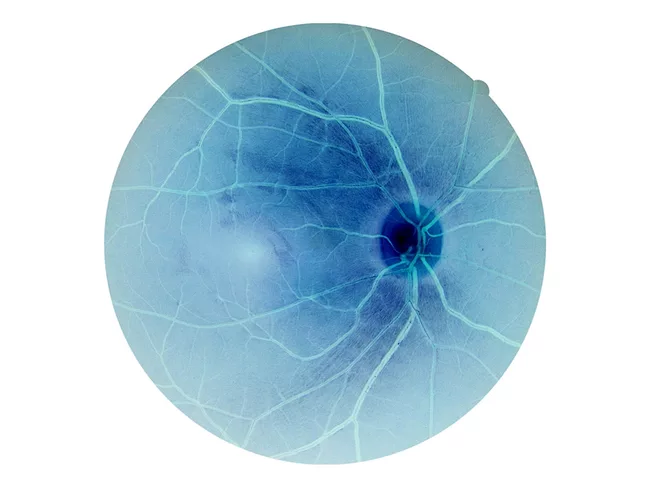
Mutations in the CEP290 (NPHP6) gene cause severe cilia formation defects and a wide range of ciliopathies, ranging from non-syndromic Leber congenital amaurosis (LCA10) to Meckel syndrome (MKS). Researchers from Medetia SAS and affiliated organizations recently presented the discovery and preclinical evaluation of a novel prostaglandin-E2 receptor agonist, MDT-110, as a potential treatment of NPHP6/CEP290-associated phenotypes.
Several developmental biology and regenerative medicine laboratories that use cellular reprogramming techniques presented their latest results on the differences in the states of induced pluripotent stem cells (iPSCs) during a Plenary Session on “Epigenetic regulation of distinct cell states” at the Annual Meeting of the International Society for Stem Cell Research (ISSCR), in Boston from June 14 to 17, 2023.
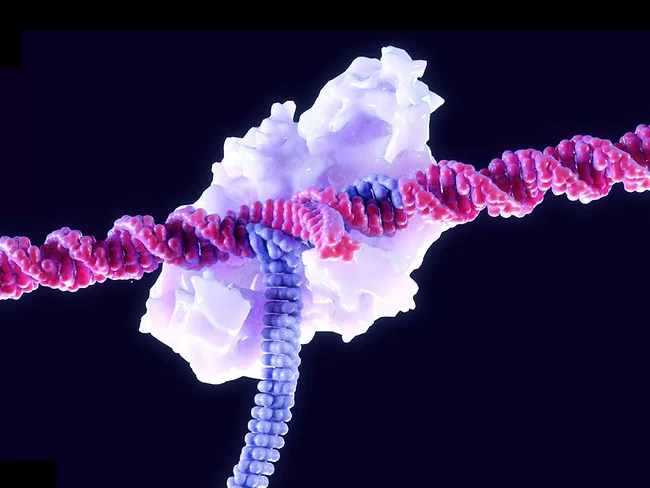
With CRISPR-Cas9 technology making its way toward clinical practice, laboratories are studying different gene-editing techniques, from base editors to prime editors, to correct mutations associated with various pathologies. Researchers at Tessera Therapeutics Inc. have been inspired by retrotransposons to develop a tool for editing DNA using RNA and reverse diseases such as phenylketonuria (PKU) or sickle cell disease (SCD).
ΔF508 is the most prevalent mutation detected in patients with cystic fibrosis (CF), and it causes a loss of F508 within CFTR’s first nucleotide binding domain (NBD1). Researchers from Sionna Therapeutics Inc. recently reported the discovery and preclinical evaluation of novel small-molecule CFTR NBD1 stabilizers and CFTR assembly correctors as potential new agents for the treatment of CF.
Researchers from Children’s Hospital of Philadelphia presented data from a study that linked variants in DNA methyltransferase 1-associated protein 1 (DMAP1) to a novel neurodevelopmental disorder.
Incretin mimetics have revolutionized the treatment of obesity and type 2 diabetes. These therapies have shown remarkable efficacy in promoting weight loss and improving glucose metabolism and cardiometabolic health. However, a significant drawback of these therapies is the concurrent loss of lean body mass (LBM), which can account for a substantial overall weight reduction (15% to 40%). The reduction in LBM affects resting metabolic rate, often leading to a weight loss plateau and other negative outcomes.
To address the absence of clinical trials evaluating immunotherapeutics for Acinetobacter baumannii infections, a team from the University of Texas at San Antonio conducted a study using immunoinformatics (EigenBio’s proprietary epitope prediction software) to identify peptides that contain both putative B- and T-cell epitopes from proteins associated with the pathogenesis of A. baumannii.
Researchers have developed NCP-112 (Novacell Technology Inc.), a novel FPR2-selective synthetic heptameric peptide ligand, and tested it in preclinical models of atopic dermatitis.
 RSS
RSS