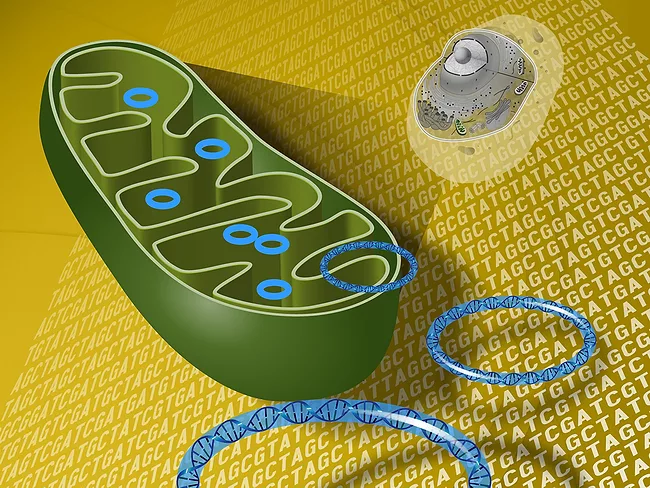
Mitochondrial DNA (mtDNA) is comprised of two strands, the light and the heavy one. The latter is rich in guanine and tends to form G-quadruplexes (mtG4s) which are more prevalent in cancer cells and are considered an emerging therapeutic target in cancer treatment.
Eli Lilly & Co. has selected FHD-909, a first-in-class oral BRM-selective inhibitor, for clinical development from its 2021 collaboration with Foghorn Therapeutics Inc. Lilly plans to file an IND for FHD-909 in the second quarter of this year. The primary target patient population is BRG1-mutated non-small-cell lung cancer.
Auron Therapeutics Inc. has nominated its first development candidate, AUTX-703, which is being developed for the treatment of patients with small-cell lung cancer, neuroendocrine prostate cancer and acute myeloid leukemia.
Chia Tai Tianqing Pharmaceutical Group Co. Ltd. has patented proteolysis targeting chimera (PROTAC) compounds comprising cereblon (CRBN) ligands covalently bonded to a Bcl-2-like protein 1 (Bcl-xl; Bcl-X; BCL2L1)-targeting moiety through a linker.
The bromodomain and extraterminal domain (BET) family of proteins are involved in cell cycle regulation and for this reason are considered therapeutic targets in cancer therapeutics.
The University of Texas MD Anderson Cancer Center and C-Biomex Ltd. have announced a strategic research collaboration agreement to co-develop CBT-001, a radioligand targeting the CA9 cancer biomarker.
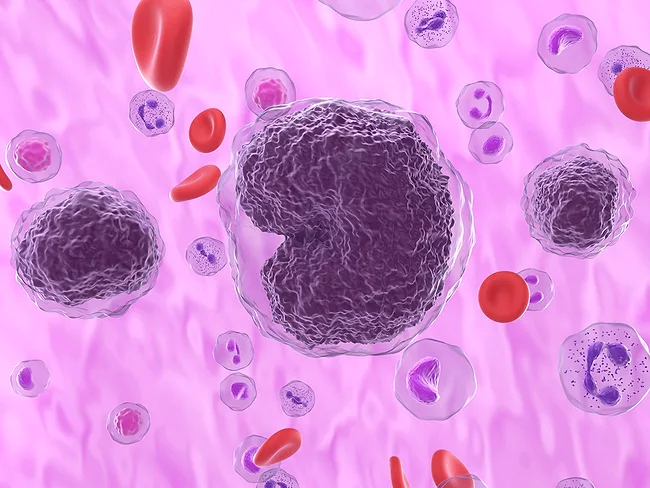
Bruton tyrosine kinase (BTK) enzyme inhibitors used to treat B-cell cancers, including chronic lymphocytic leukemia (CLL) and non-Hodgkin lymphoma, also produce resistance by causing mutations in the protein. Now, a study on the BTK degrader NX-2127 showed the compound could be effective in eliminating BTK regardless of its mutations.
 RSS
RSS