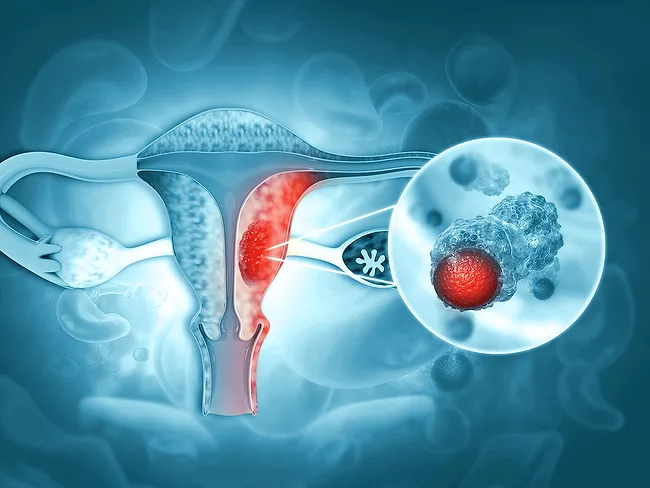
Endometrial cancer is the second most prevalent gynecological malignancy. Current standard treatments for endometrial cancer typically include a combination of surgery, radiation therapy and, in some cases, chemotherapy or hormonal therapy, depending on the tumor stage and molecular characteristics. However, the outcomes for metastatic and recurrent cases remain poor.
Prognosis is extremely poor for patients with head and neck squamous cell carcinoma (HNSCC), which accounts for around 90% of all head and neck cancer. Especially in the more aggressive subtype of HNSCC that is not associated with human papilloma virus infection, the natural killer cells that could fight HNSCC tumors are inhibited within the tumor microenvironment, in part because of the hypoxic conditions.
Beijing Tide Pharmaceutical Co. Ltd. has divulged nanobody-drug conjugates comprising a nanobody targeting B7 homolog 3 (B7-H3, CD276) covalently bound to exatecan through a linker reported to be useful for the treatment of lung cancer.
Primelink Biotherapeutics (Shenzhen) Co. Ltd. has discovered molecular glue degraders acting as eukaryotic peptide chain release factor GTP-binding subunit ERF3A (GSPT1) degradation inducers reported to be useful for the treatment of cancer.
Beone Medicines (Beijing) Co. Ltd. has disclosed an antibody-drug conjugate comprising an antibody targeting fibroblast growth factor receptor 2 isoform 2 (FGFR2; FGFR2b) covalently linked to cytotoxic agent through a linker reported to be useful for the treatment of small-cell lung cancer (SCLC) and gastric cancer.
In a recent publication, researchers from The First Affiliated Hospital of Zhengzhou University (China) and collaborators investigated the association between phosphoglycerate kinase 1 (PGK1) expression in thyroid cancer tissues and clinicopathological features, postoperative recurrence and prognosis in papillary thyroid carcinoma (PTC). These observations may help advance clinical assessment and provide references for intervention strategies.
Simcere Zaiming Pharmaceutical Co. Ltd. has disclosed antibody-drug conjugates (ADC) comprising human monoclonal antibodies targeting zinc transporter ZIP6 (SLC39A6; LIV-1) covalently linked to cytotoxic drugs through a linker reported to be useful for the treatment of cancer.
Innovent Biologics (Suzhou) Co. Ltd. has described antibody-stimulating antibody conjugates (ISACs) comprising antibody targeting folate receptor α (FOLR1; FR-α) or tumor-associated calcium signal transducer 2 (TACSTD2; TROP2) covalently bound to toll-like receptor 7 (TLR7) and/or toll-like receptor 8 (TLR8) agonist through a linker reported to be useful for the treatment of cancer.
 RSS
RSS