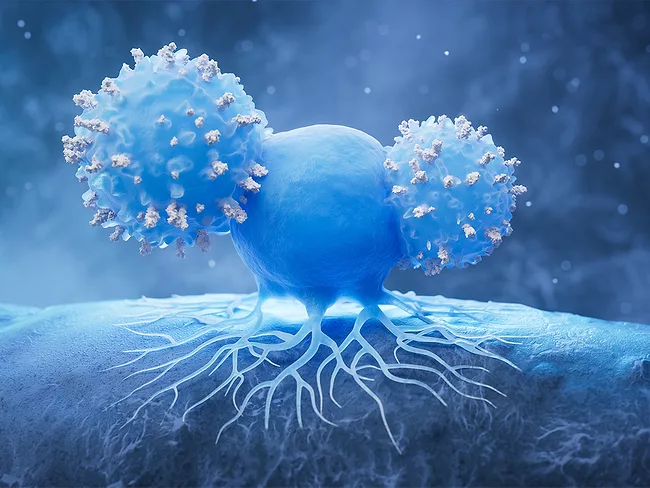
Crossbow Therapeutics Inc. has nominated its second development candidate, CBX-663, a T-cell engager for the treatment of a broad range of solid tumors and hematologic malignancies.
The combination of interleukin-2 (IL-2) agonism with programmed cell death protein 1 (PD-1) checkpoint inhibition has previously demonstrated synergistic efficacy in promoting antitumor T-cell responses. However, the incompatible dose levels and dosing schedules of the two therapeutic mechanisms have made their integration within a single molecule challenging.
Akari Therapeutics plc announced that it is continuing key research on its antibody-drug conjugate (ADC) payload PH1 to further demonstrate its ability to target cancers fueled by oncogenic drivers. PH1 is a spliceosome modulator designed to disrupt RNA splicing within cells. It binds spliceosome proteins SF3B1 and PH5α and targets normal splicing of pre-mRNA. PH1 is a spliceosome modulator designed to disrupt RNA splicing within cells. It binds spliceosome proteins SF3B1 and PH5α and targets normal splicing of pre-mRNA.
Shanghai Yuyao Biotech Ltd. has identified new signal transducer and activator of transcription 3 (STAT3) inhibitors reported to be useful for the treatment of cancer.
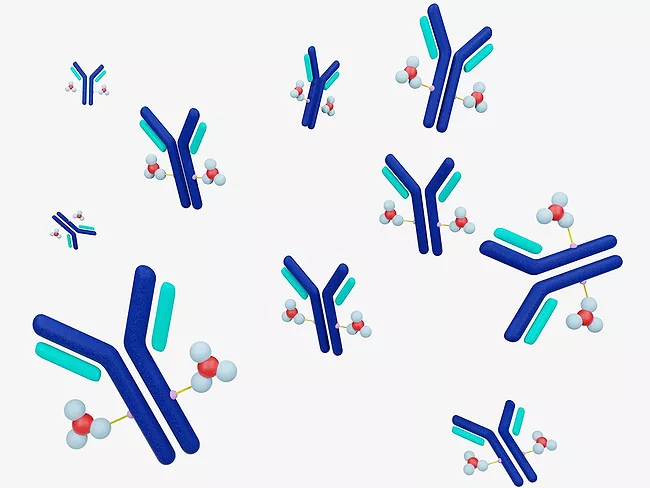
The sodium-dependent phosphate transport protein 2b (NaPi2b), encoded by the SLC34A2 gene, is highly overexpressed in high-grade epithelial ovarian cancer and non-small-cell lung cancer while exhibiting minimal expression in normal adult tissues, making it a relevant tumor-associated antigen and a promising target for antibody-drug conjugates (ADCs).
Rakovina Therapeutics Inc. has reported progress in its AI-driven KT-5000AI program, advancing the development of precision ATR (ataxia telangiectasia and Rad3-related) inhibitors designed to disrupt the DNA damage response (DDR) pathway in cancer cells. Through its collaboration with Variational AI Inc., Rakovina has evaluated a vast chemical space of potential molecular structures using Variational’s AI Enki platform to identify novel compounds
Work at Suzhou Genhouse Bio Co. Ltd. has led to the identification of Werner syndrome ATP-dependent helicase (WRN; RECQ3; RECQL2) inhibitors reported to be useful for the treatment of cancer.
Cyclin-dependent kinase 9 (CDK9) plays a critical role in regulating transcriptional elongation and is essential for the expression of short-lived oncogenic and antiapoptotic mRNAs. Targeting CDK9 has emerged as a promising therapeutic strategy, particularly in hematological malignancies and MYC-driven cancers. However, its clinical application remains limited by several challenges, which may be overcome through the development of more selective and potent inhibitors.
 RSS
RSS