Sevenless Therapeutics Ltd. has patented son of sevenless homolog 1 (SOS1) inhibitors reported to be useful for the treatment of cancer, pain, dementia, Noonan syndrome, parkinsonism, neurofibromatosis type 1, atopic dermatitis and cholestasis, among others.
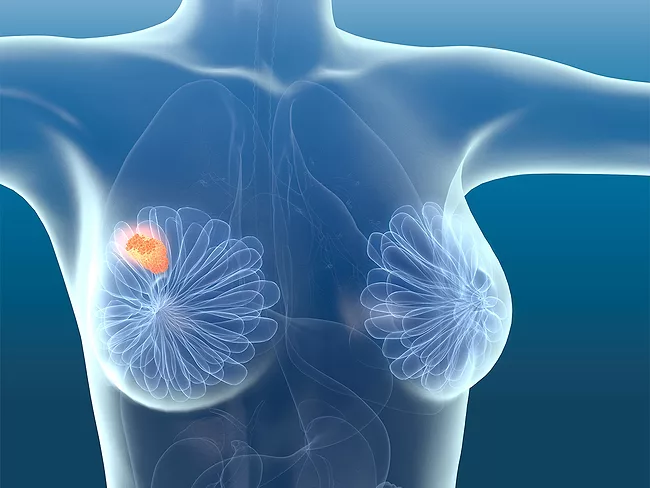
Characteristics of the tumor microenvironment are likely to contribute to the aggressiveness of triple-negative breast cancer (TNBC) and the extremely poor prognosis of those who suffer it. By analyzing patterns of gene expression in cancer-associated fibroblasts from TNBC tumors, researchers in China identified the PLAU gene as a driver of aggressive phenotype.
Immune checkpoint inhibitor therapy has proven effective against many types of solid tumors, but not many subtypes of ovarian cancer, including the rare subtype of ovarian clear cell carcinoma (OCCC). Now, researchers have identified a subtype of OCCC that involves inactivating mutations in the gene PPP2R1A and that responds well to immune checkpoint inhibitor therapy.
Radiopharm Theranostics Ltd. announced that the U.S. FDA has cleared the IND application for betabart (RV-01), its Lu177-B7H3 monoclonal antibody designed with strong affinity for the 4Ig isoform of B7-H3 that is highly expressed in tumors and not in healthy tissues.
People with the subtype of B-cell precursor acute lymphoblastic leukemia (BCP-ALL) associated with fusion of MEF2D with other genes show quite poor prognosis. Most patients fail to respond to hematopoietic stem cell transplantation or other conventional treatments. Researchers at Shanghai Jiao Tong University School of Medicine have reported a lead compound that could treat BCP-ALL.
Serine/threonine-protein kinase WNK1 inhibitors have been described in a Dania Therapeutics ApS patent as potentially useful for the treatment of cancer and hypertension.
Pelemed Co. Ltd. has prepared pyrrolotriazine derivatives acting as tyrosine-protein kinase Yes (YES1) inhibitors reported to be useful for the treatment of cancer.
The sialyltransferase ST6GAL1 is upregulated in several types of cancer and its expression is particularly elevated in triple-negative breast cancer, which is extremely aggressive and associated with very poor prognosis.

 RSS
RSS