An experimental gene therapy based on the prime editing technique could become an effective treatment for alternating hemiplegia of childhood, a severe and currently incurable rare disease. David Liu’s lab at the Broad Institute, the inventor of this gene edition methodology, together with scientists from The Jackson Laboratory, successfully reversed the effects of five mutations associated with this disorder in a mouse model.
Researchers from Biotiche Drug Discovery Srl and collaborators have discovered that modulating the activity of a specific family of potassium channels, known as Kv3 channels, can have beneficial effects on the progression of amyotrophic lateral sclerosis (ALS) in a mouse model of the disease. The study, published in the journal Acta Neuropathologica Communications, provides new insights into the role of these channels in skeletal muscle function and their potential as a therapeutic target for ALS.
Dewpoint Therapeutics Inc. has described TAR DNA-binding protein 43 (TARDBP; TDP-43) modulators reported to be useful for the treatment of traumatic brain injury, frontotemporal dementia and amyotrophic lateral sclerosis.
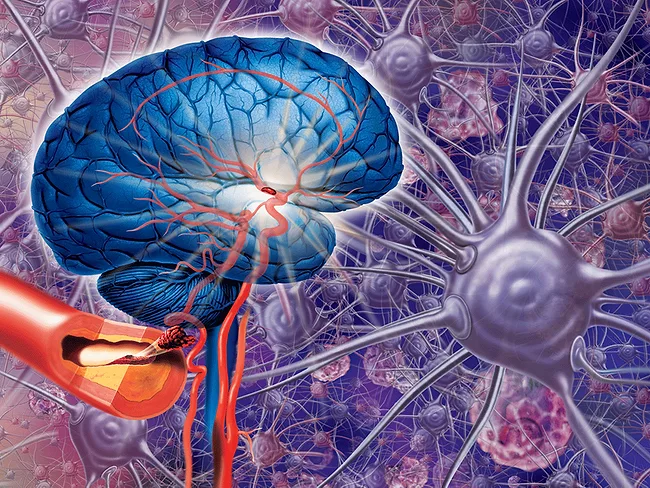
Stroke is the third leading cause of disability worldwide, and its incidence is expected to increase as the global population ages. Idebenone can promote recovery after stroke, but it is less effective during the acute phase of stroke.
Congruence Therapeutics Inc. has received a research grant of $5 million from The Michael J. Fox Foundation for Parkinson's Research (MJFF) to advance its GCase-targeting small molecules for GBA1 Parkinson’s disease. Mutations of the GBA1 gene, encoding the enzyme GCase, represent the single largest genetic risk factor for Parkinson’s disease.
Current treatments for Alzheimer’s disease have limited effects. While they can slow cognitive decline or alleviate symptoms, they do not reverse this complex neurodegenerative condition caused by multiple factors. Researchers from the Gladstone Institutes and the University of California, San Francisco (UCSF) have screened FDA-approved drugs in search of agents that could potentially modify the disease.
Researchers from Peking University and the China-Japan Friendship Hospital have gained new insights into the role of triggering receptor expressed on myeloid cells-1 (TREM-1) in traumatic brain injury (TBI). Cerebral damage resulting from external mechanical impacts causes TBI, which is a leading cause of morbidity and mortality worldwide.
Brain-derived neurotrophic factor (BDNF) is a neurotrophin that supports neuronal growth and survival and plays a critical role in regulating synaptic plasticity and cognitive function. Reduced BDNF levels have been observed in Alzheimer’s disease, Parkinson’s disease and mood disorders, suggesting that agents capable of enhancing BDNF expression may represent promising therapeutic strategies for both neurodegenerative diseases and depression.
The U.S. FDA has granted Precision Biosciences Inc.’s PBGENE-DMD orphan drug designation for the treatment of Duchenne muscular dystrophy (DMD). PBGENE-DMD uses two complementary Arcus nucleases delivered via a one-time administration in a single AAV to excise exons 45-55 of the dystrophin gene in order to restore near full-length dystrophin protein within the body to improve functional outcomes.
Alterations in the GABAergic pathway in the brain contribute to the pathophysiology of neurodevelopmental disorders, including autism spectrum disorder and Angelman syndrome. Targeting the GABA-A receptor α5 subunit (GABRA5) with positive allosteric modulators represents a new therapeutic strategy for the treatment of these conditions.

 RSS
RSS