Multiple sclerosis (MS) is characterized by persistent inflammation, primarily driven by CNS-resident immune cells like microglia, particularly in the progressive stages. The purinergic P2X7 receptor (P2X7R) is widely expressed on immune cells and is elevated on reactive astrocytes and microglia of MS lesions.
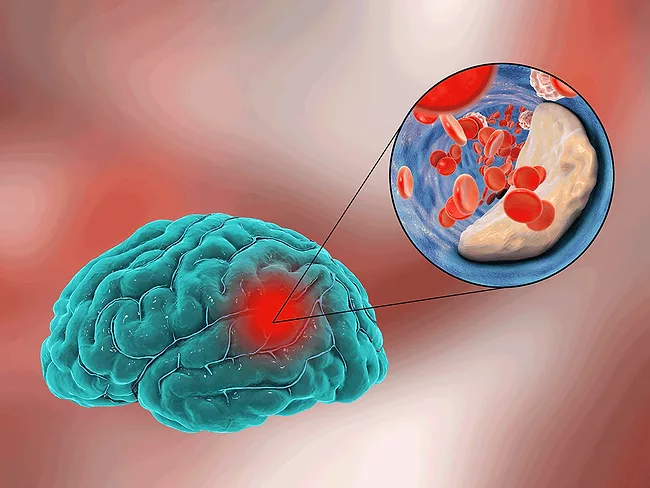
Following a stroke, multiple immune cell types contribute to the neuroinflammatory response, with T cells being among the most consistently associated with both the initial and secondary phases of brain injury.
Blackfinbio Ltd. has obtained IND clearance from the FDA for its novel AAV gene therapy, BFB-101, for hereditary spastic paraplegia type 47 (SPG47), which is caused by changes in the AP4B1 gene. A phase I/II trial will be conducted in the U.S. at Boston Children’s Hospital.
Research of the neuroimmune mechanisms involved in stress-related fear revealed how astrocytes interact with neurons in the amygdala. The study, led by Harvard scientists, also unveiled that this interaction recruited monocytes to the meninges during chronic stress and showed how psychedelic compounds reversed monocyte accumulation in the meninges and reduced fear behavior.
Duchenne muscular dystrophy (DMD) is a devastating genetic disorder affecting approximately 1 in 3,500-5,000 newborn males worldwide. It is characterized by progressive degeneration of skeletal, cardiac and smooth muscle, leading to early mortality. A team of researchers from the Technion Israel Institute of Technology has developed a novel approach to combat fibrosis in DMD.
Grove Biopharma Inc., a spinout from Northwestern University targeting intracellular protein-protein interactions with a novel synthetic biology-based approach, has closed a $30 million series A financing. Proceeds will be used to further advance Grove Biopharma’s Bionic Biologics platform and drive its lead oncology programs toward the clinic.
Harvard University has filed a lawsuit claiming the Trump administration’s freezing of its federal funding is unlawful and beyond the government’s authority. Announcing the move, Harvard’s president, Alan Garber, highlighted the impact of freezing $2.2 billion in grants – and the threat to freeze a further $1.1 billion – will have on the university’s biomedical research.
Bayer AG has identified α2C-adrenoceptor antagonists reported to be useful for the treatment of dysphagia, snoring, neurodegeneration, neuroinflammation and cardiovascular disorders.