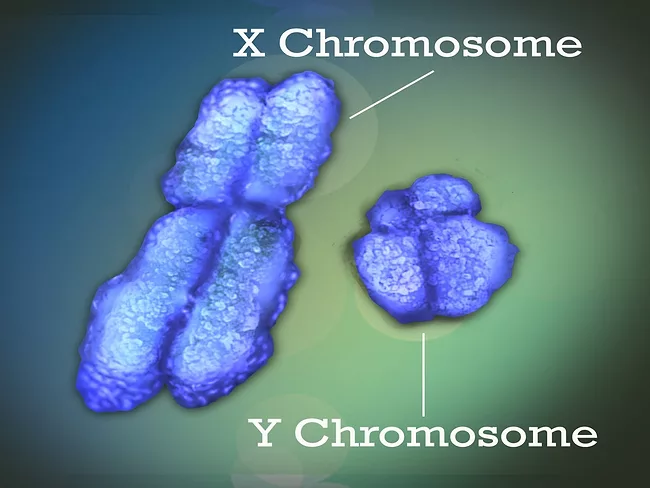
At the BioFuture 2024 conference held in New York in November, Seema Kumar, the CEO of Cure, described women’s health as something that has been directed at the “bikini area.” That “bikini” bias extended to both diseases and their causes – women’s health covered the breasts and reproductive system, and its causes were hormonal. Both concepts are far too narrow.
It’s difficult to fathom that the health of half the world’s population is underserved. But it’s a hard truth. There are many conditions that disproportionately impact women. Other conditions and diseases affect women in different ways than men. Decades of research excluding women from clinical trials and investment decisions in male-dominated board rooms have ignored these facts. Though an increasing number of women are now managing investments and driving the research, it’s all still woefully behind. In BioWorld’s new report, Healing the health divide, we’ve highlighted the disparities.
More than two years since emerging from stealth, Vesalius Therapeutics Inc. signed its first major pharma deal with GSK plc. Worth up to $650 million and possibly more if an option is exercised, the multitarget alliance aims to discover and develop novel treatments for Parkinson’s disease and another neurodegenerative indication.
4M Therapeutics Inc. has been awarded a $120,000 grant from SynGAP Research Fund (SRF) to evaluate central nervous system (CNS) effects of novel glycogen synthase kinase 3 β (GSK-3β) inhibitors 4MT-2001 and 4MT-1060.
Guangzhou Henovcom Bioscience Co. Ltd. has synthesized prodrugs of rotigotine reported to be useful for the treatment of restless legs syndrome, depression and Parkinson’s disease.
Six main cell types form glioblastomas (GBM), the most aggressive brain cancer due to its high rate of recurrence. Of these six, quiescent cancer stem cells are responsible for resistance to therapy and the reappearance of the tumor, according to a study that identified the six groups and highlighted the importance of these stem cells for the design of more effective therapies.
Complex genomic rearrangements (CGRs) involve large-scale genomic alterations with multiple breakpoints and are implicated in genetic diseases such as malformation syndromes, intellectual disability and neurodevelopmental disorders.
Lysoway Therapeutics Inc. has synthesized mucolipin-1 (MCOLN1; TRPML1) activators reported to be useful for the treatment of age-related macular degeneration, aging, Alzheimer’s disease, cancer, Charcot-Marie-Tooth disease, cystic fibrosis, muscular dystrophy and type C Niemann-Pick disease.

 RSS
RSS