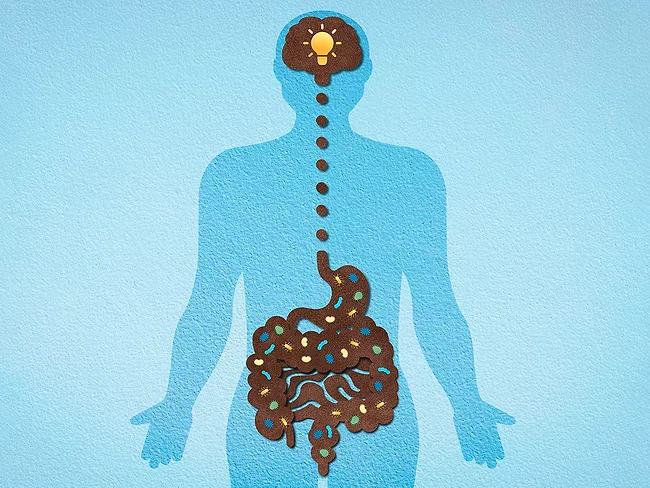
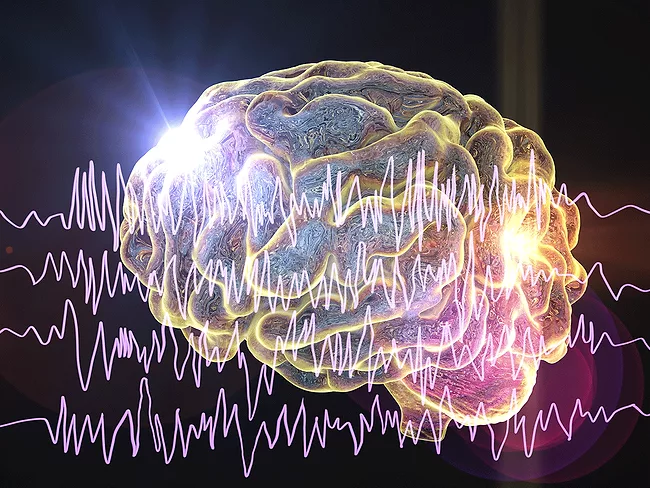
The accumulation of α-synuclein fibrils in the brain is the primary pathogenic hallmark in Parkinson’s disease (PD), the second most prevalent neurodegenerative disorder. Current therapies are mainly focused on late-stage symptoms and hence there is a need to find therapies tackling the disease at early stages. Recent studies validate that gut microbiome of PD patients as different from the one of healthy people.
One of the features associated with early-stage Parkinson’s disease (PD) diagnosis is the presence of cognitive impairment. Other neurological conditions such as dementia, synucleopathies or amyloid disorders share the same impact on mental deterioration where the disruption of frontal-subcortical circuits is involved.
Research at China Hinye Pharmaceutical Co. Ltd. has led to the development of μ-opioid receptor agonists reported to be useful for the treatment of pain.
Psilera Inc. has announced animal findings for its first cohort of drug candidates designed and synthesized in-house showing that they are non-hallucinogenic. This group includes six patent-pending compounds with novel structural features across four compound families.
 RSS
RSS