Facioscapulohumeral muscular dystrophy (FSHD) is a skeletal muscular dystrophy characterized by DNA hypomethylation of D4Z4 repeat units of a macrosatellite array found at the distal end of chromosome region 4q35, which causes a myotoxic expression of DUX4. Researchers from Epic-Bio presented the discovery of EPI-321, a novel gene therapy candidate for the treatment of FSHD.
When tissue injury occurs, stressed cells release a bunch of intracellular molecules called damage-associated molecular pattern (DAMP) proteins. S100 calcium binding protein A9 (S100A9) is a DAMP usually found in macrophages and is involved in multiple inflammatory responses, such as activation of Toll-like receptor 4 (TLR4).
Biohaven Ltd. has acquired global rights, excluding China regions, from Hangzhou Highlightll Pharmaceutical Co. Ltd. for TLL-041, now designated BHV-8000, an oral, brain-penetrant, highly selective, dual TYK2/JAK1 inhibitor, for neurological disorders.
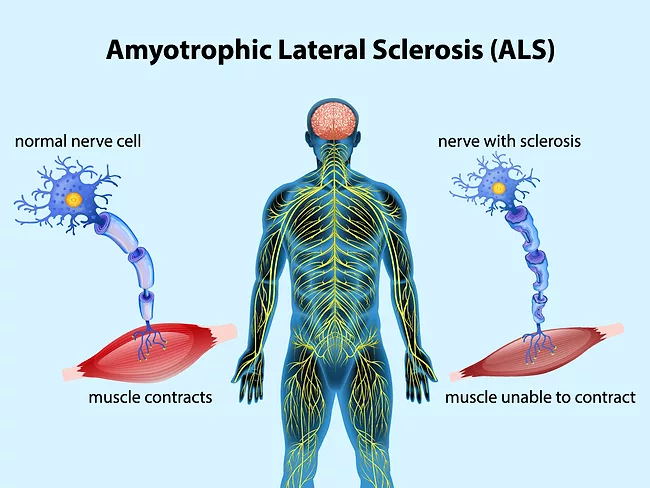
Amyotrophic lateral sclerosis (ALS) is a fatal neurodegenerative disease characterized by failure of motor neurons that lead to paralysis. To date, no treatment exists for ALS that focuses on improving neuromuscular transmission, which would improve quality of life for ALS patients.
Hangzhou Healzen Therapeutics Co. Ltd. has divulged potassium voltage-gated channel subfamily KQT member 2/3 (KCNQ2/3) activators reported to be useful for the treatment of epilepsy, among others.
Artivila Therapeutics (Shenzhen) Co. Ltd. has identified NAD(+) hydrolase SARM1 (SAMD2; MyD88-5) inhibitors reported to be useful for the treatment of Alzheimer's and Parkinson's diseases, multiple sclerosis, amyotrophic lateral sclerosis and peripheral neuropathy.
Nurexone Biologic Inc. has released further results from a preclinical study of Exopten demonstrating effective treatment of 75% of paralyzed rats suffering from spinal cord injuries.
The neuron-specific K+/Cl- co-transporter KCC2 is involved in the shift from depolarizing to hyperpolarizing γ-aminobutyric acid receptor (GABAAR) currents and subsequent synaptic inhibition.

 RSS
RSS