Spinocerebellar ataxia type 3 (SCA3) is the most common autosomal dominant hereditary ataxia worldwide, with no cure available. Intranuclear aggregation of the mutant expanded ATXN3 protein is a neuropathological hallmark of SCA3 linked to neurotoxicity.
Aeterna Zentaris Inc. has offered an update on its development pipeline programs. Macimorelin acetate (AEZS-130), a ghrelin agonist approved and commercialized as a test for adult growth hormone deficiency, is in preclinical development for amyotrophic lateral sclerosis (ALS). The company has now successfully developed an alternative formulation suitable for use in ALS.
A new study on the interleukin 1 (IL-1) pathway and its involvement in systemic inflammation and autoinflammatory diseases has described a mutation of the IL-1 receptor type 1 (IL-1R1) receptor associated with chronic recurrent multifocal osteomyelitis (CRMO). The variant p.Lys131Glu of this receptor was identified in a patient with CRMO. A peripheral blood mononuclear cell analysis showed an inflammatory event in lymphocytes, especially in monocytes and neutrophils. The research was conducted by a group of scientists at Zhejiang University in China and reported in the July 11, 2023, issue of Immunity.
The endogenous human protein annexin A1 (ANXA1) is a driver of inflammatory resolution and has shown protective effects in several models of diseases with inflammatory components, including myocardial infarction. Researchers from Resother Pharma A/S and colleagues reported on the preclinical cardioprotective role of RTP-026, a peptide derived from the ANXA1 N-terminal region that acts as N-formyl peptide receptor 2 (FPR2) ligand. In vitro, testing of receptor selectivity and activation in FPR2-HEK-293 cells showed an EC50 value between 10 and 30 nM.
Given that monoclonal antibodies are so big, only 0.1% of a dose will cross the blood-brain barrier (BBB). And that’s why their utility in central nervous system (CNS) disorders management is limited.
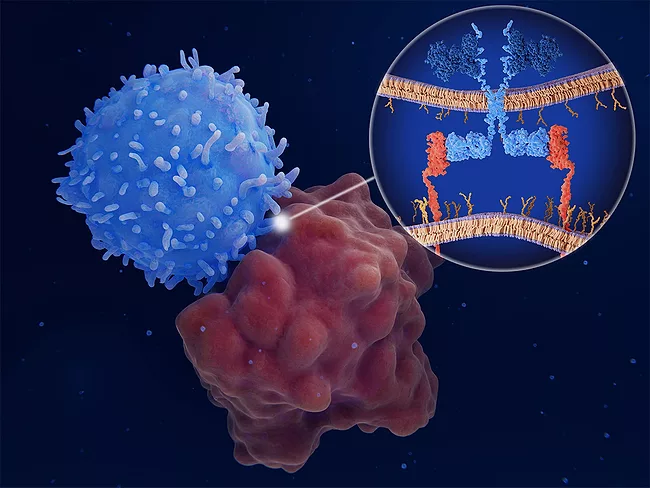
After CAR T-cell immunotherapy for leukemia, some children have a longer remission because the engineered cells remain active and control or prevent the growth of new tumor cells. A new collaborative study has found that these persistent cells expressed certain genes that could be identified through a transcriptional signature. The finding could explain why the treatment does not work in some patients, and potentially help to improve it, reducing relapses.
Corcept Therapeutics Inc. has described piperazine indazole glucocorticoid receptor (GR) antagonists reported to be useful for the treatment of obesity, Cushing syndrome, Alzheimer’s disease, amyotrophic lateral sclerosis, nonalcoholic steatohepatitis and cancer, among others.
Sato Pharmaceutical Co. Ltd. has divulged azaindole derivatives acting as hematopoietic prostaglandin D synthase (HPGDS) inhibitors reported to be useful for the treatment of amyotrophic lateral sclerosis, asthma, chronic obstructive pulmonary disease, cystic fibrosis, myocardial infarction, rheumatoid arthritis, sarcopenia and thromboangiitis obliterans (Buerger’s disease), among others.
Delix Therapeutics Inc. has identified pyrrolidine psychoplastogens acting as 5-HT2A receptor modulators reported to be useful for the treatment of neurodegeneration, substance abuse and dependence, impulse control, mood, sleep, anxiety, eating and personality disorders, among others.
 RSS
RSS