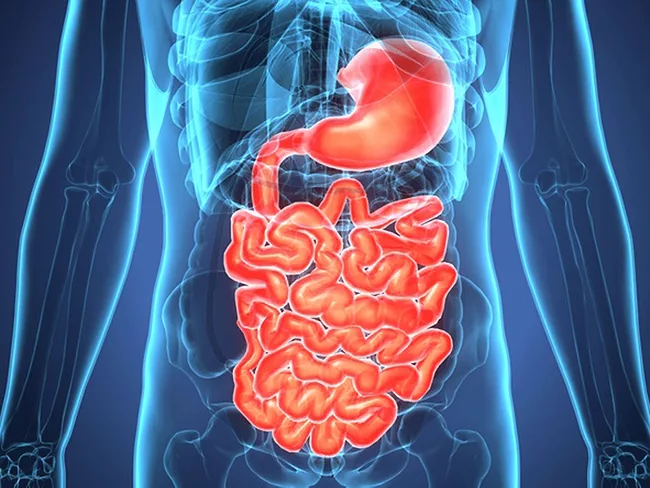
Researchers from Case Western Reserve University presented data from a study that aimed to investigate gut integrity, oxidized lipids and inflammatory markers associated with the pathogenesis of post-acute sequelae of COVID-19 (PASC).
The mechanisms behind the mortality associated with early antiretroviral therapy (ART) treatment in children infected perinatally with HIV are poorly understood. Researchers sought to find potential biomarkers associated with the increased mortality. They created three groups of subjects: deceased (dead HIV+, n=20), nondeceased HIV+ (HIV+, n=59) and healthy controls (n=13).
Reduction of renal tubular cell polynucleotide phosphorylase (PNPT1) expression has been linked to renal tubular atrophy in chronic kidney disease, according to a new study. The research, published in Nature Communications, found that renal tubular cell PNPT1 reduction causes renal tubular atrophy by inhibiting protein synthesis.
Researchers from IrsiCaixa Institute for AIDS Research presented data from a study that aimed to identify biomarkers associated with virus control during monitored antiretroviral pause (MAP) in patients with HIV.
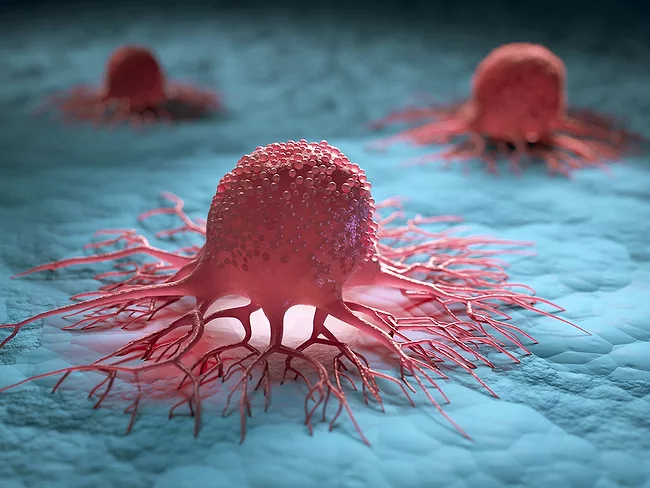
Researchers from Onxeo SA presented preclinical data for OX-425, a first-in-class oligodeoxynucleotide that operates as a poly (ADP-ribose) polymerase 1 (PARP-1) decoy, and which is being developed as anticancer agent.
Homozygous familial hypercholesterolemia (HoFH) is a severe rare life-threatening condition where high blood levels (>500 mg/dL) of low-density lipoprotein cholesterol (LDL-C), triglycerides (TG), and premature and progressive atherosclerotic cardiovascular disease (ASCVD) are the main features.
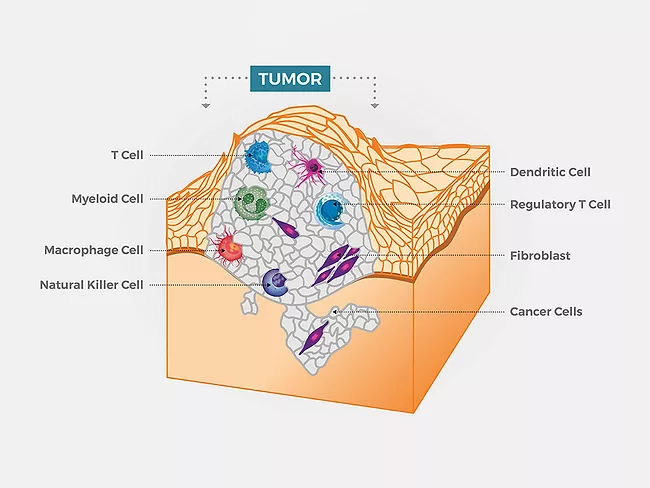
Molecular Templates Inc. has received IND clearance from the FDA for its novel MT-8421 engineered toxin bodies (ETB) program targeting cytotoxic T-lymphocyte protein 4 (CTLA-4) in patients with relapsed/refractory solid tumors previously exposed to checkpoint inhibitors. MT-8421 is designed to eliminate CTLA-4-expressing regulatory T cells (Tregs) in the tumor microenvironment (TME) through a direct cell-kill mechanism independent of the effector cell presence that antibodies rely upon while not affecting Tregs in the periphery.
Researchers from Wenzhou Medical University and affiliated organizations presented the discovery of novel anti-inflammatory agents. Synthesis and optimization of a series of 4-oxo-N-phenyl-1,4-dihydroquinoline-3-carboxamide derivatives led to the identification of compound [I] as the lead, as it exhibited the best inhibitory effect in vitro. More specifically, [I] demonstrated the strongest inhibitory effect on LPS-induced TNF-α (82.58%) and IL-6 (75.05%) expression, while exhibiting no cytotoxicity at 10 μM in J774A.1 macrophages.
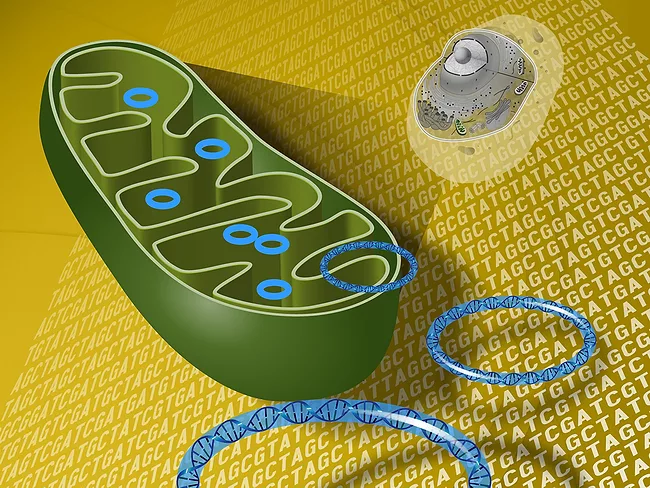
A deficiency in fumarate metabolism could be behind a new mechanism of inflammation mediated by mitochondrial DNA and RNA. Two independent and simultaneous studies described how the accumulation of fumarate in the mitochondria released the genetic material of this organelle through vesicles, activating an inflammatory signaling pathway.

 RSS
RSS