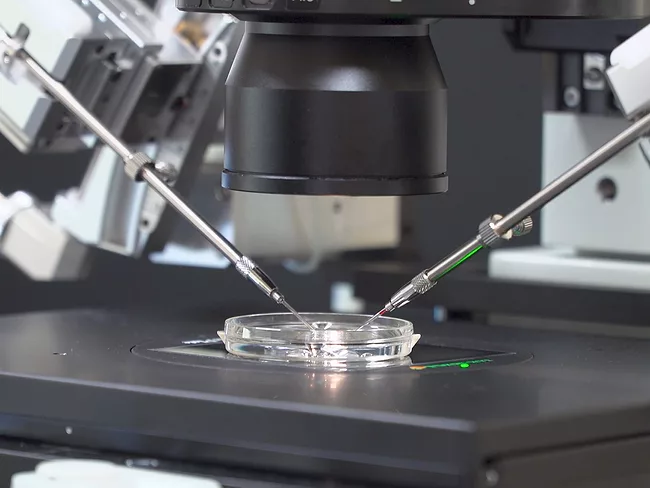
The intended use of gene editing tools on pre-implantation human embryos would be to avoid the development of congenital diseases in the upcoming baby. But it may have its own risks. Those risks were illustrated in a publication in the March 7, 2023, issue of Nature Communications, where researchers from the Center for Embryonic Cell and Gene Therapy, Oregon Health & Science University (OHSU) showed that the method that is most frequently used for evaluating the effects of gene editing zygotes did not always result in an accurate picture of those edits.
Chemocentryx Inc. has described aryl sulfonyl (hydroxy) piperidines acting as C-C chemokine receptor type 6 (CCR6) antagonists reported to be useful for the treatment of atopic dermatitis, psoriasis, endometriosis, periodontitis, rheumatoid arthritis, scleroderma, psoriatic arthritis and inflammatory disorders.
Shanghai Blueray Biopharma Co. Ltd. has divulged polycomb protein EED (PRC2/EED-EZH2 noncatalytic subunit) inhibitors reported to be useful for the treatment of cancer.
Yiteng Pharmaceutical Industry Taizhou Co. Ltd. has synthesized cyclin-dependent kinase 7 (CDK7) inhibitors reported to be useful for the treatment of cancer.
Ubix Therapeutics Inc. has disclosed proteolysis targeting chimeras (PROTACs) comprising von Hippel-Lindau disease tumor suppressor ligands coupled to a tyrosine-protein phosphatase non-receptor type 11 (PTPN11; PTP-2C; SHP-2) targeting moiety via linker acting as SHP-2 degradation inducers and reported to be useful for the treatment of cancer.
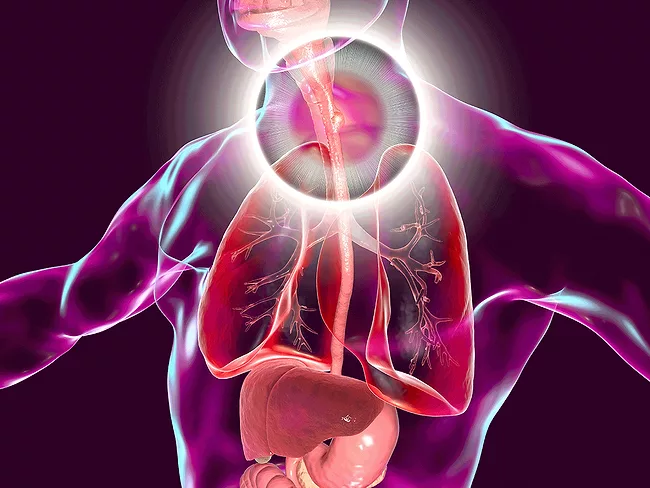
Previous studies have identified a promising target and potential biomarker for diagnosing and treating gastrointestinal and esophageal cancers: claudin18.2 (CLDN18.2), a tight junction protein overexpressed in these and other solid tumors.
Researchers from Medical University Vienna presented data from a study that aimed to identify possible synergism between the novel son of sevenless (SOS) inhibitor BAY-293 and B-Raf or/and MEK1/2 inhibitors as a potential therapeutic strategy for the treatment of melanoma.
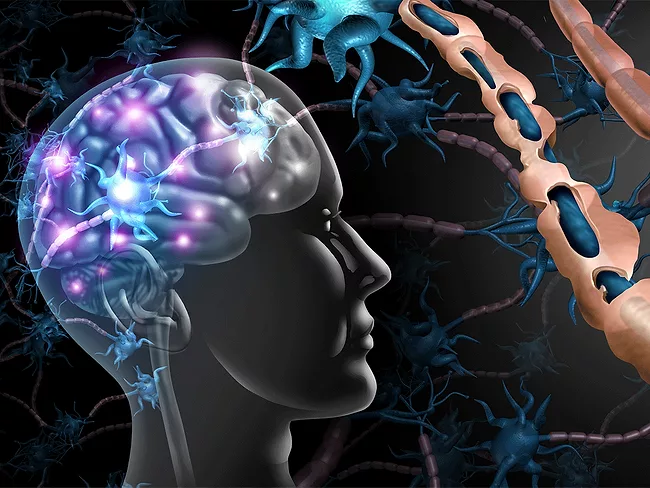
Tumor necrosis factor (TNF) has been implicated in the pathogenesis of several neurological disorders, such as multiple sclerosis (MS). Its transmembrane form activates the type II tumor necrosis factor receptor (TNFR2), functioning via cell-to-cell contact. In contrast, its soluble form activates TNFR1; studies in animal models have evidenced TNFR1 to activate neurotoxic pathways, while TNFR2 activation pathways may have protective effects within the central nervous system due to activation of reparative mechanisms.
 RSS
RSS