The Hallmarks of Cancer are a core set of processes that are broadly deregulated in many types of cancer. Douglas Hanahan and Douglas Weinberg first introduced the concept, with six candidate hallmarks, in 2000. Since then, two additional hallmarks have been added. And the hallmarks have also been complemented by the description of enabling characteristics, which are prerequisites necessary for cells to acquire the hallmarks themselves.
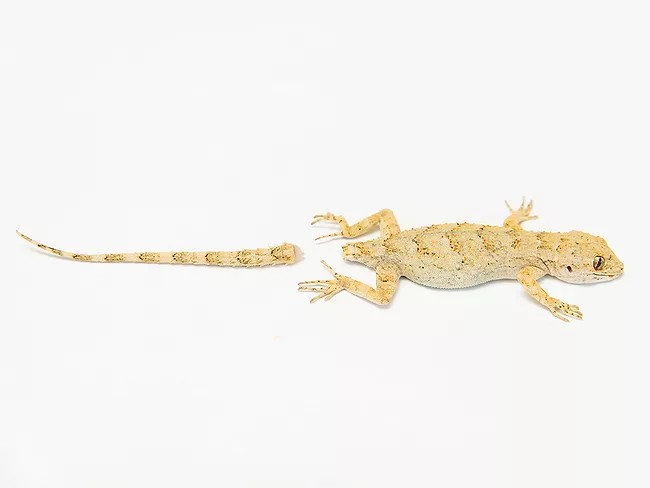
Losing the tail to survive. In neurons, the lizard’s strategy, losing the axon to be safe, could prevent cell death. Scientists at Harvard Medical School have observed that certain toxins activated axon loss to prevent damage and survive. This mechanism was mediated by the Gasdermin-E (GSDME) protein, which destroyed the mitochondria in the axons and eliminated the affected nerve projection before the cell died. The inhibition of GSDME prevented the loss of neurons and delayed the progression of amyotrophic lateral sclerosis (ALS) in mice models.
Poikiloderma (a skin condition involving hypopigmentation, hyperpigmentation, spider veins and atrophy) with neutropenia (PN) is a unique clinical presentation that can be caused by mutations in the U6 snRNA biogenesis phosphodiesterase 1 gene (USB1). Curiously enough, the USB1 protein is required for U6 snRNA synthesis in yeast and zebrafish, but not humans.
Protein phosphatase 2A (PP2A) is a heterotrimer affecting approximately 60% of all serine/threonine phosphorylations. PP2A functions as a tumor suppressor when it is a trimer (PP2A-A-PP2Ac-B56) containing the B56 subunit. The B56 subunit is known to interact with up to 100 different proteins, but exactly how the PP2Aa/c-B56 complex is disrupted to initiate cancer has been poorly understood until now.
Mindset Pharma Inc. has patented indole derivatives acting as 5-HT2A receptor agonists and reported to be useful for the treatment of neurological disorders and psychosis.
Researchers at Shanghai Institute of Materia Medica of the Chinese Academy of Sciences have developed urea compounds containing 2-heteroaromatic ring substitution that act as cyclin-dependent kinase 9 (CDK9) inhibitors.
A recent Moya Bio Ltd. patent describes fused azole and furan-based nucleoside analogues acting as ubiquitin-like modifier-activating enzyme 1 (UBA1; UBE1) inhibitors and thus reported to be potentially useful for the treatment of inflammation, cancer, parasitic infections and autoimmune diseases.
 RSS
RSS