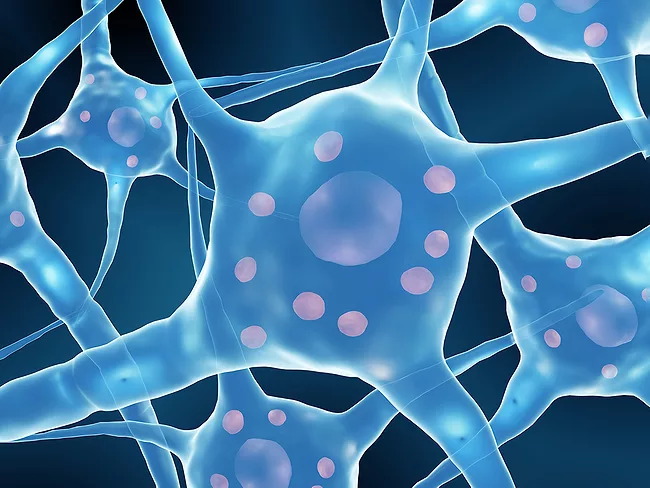
In the March 2023 issue of Science Immunology, researchers working at the City of Hope National Medical Center reported on the discovery the mechanisms by which the spliced X-box–binding protein 1 (XBP1s) served essential functions in the IL-15-dependent survival of natural killer (NK) cells. Since XBP1s is known to play critical roles in MHCII expression, the unfolded protein stress response, and ultimately tumorigenesis, the study provided deep insights into the understanding of NK cell biology with translational potential.
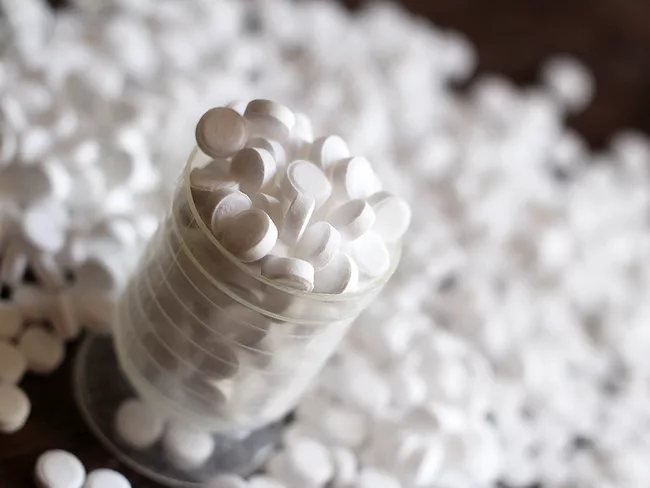
It is approved as a food additive. But it now appears that sucralose can dampen T-cell-mediated immune responses, suggesting it could be a means of treating T-cell-dependent autoimmune disorders. While stressing (repeatedly) that they were studying intakes well above normal, at high but achievable doses sucralose has an unexpected effect on T-cell responses and functions in autoimmune, infection and tumor models, researchers at The Francis Crick Institute, London, reported in Nature March 15, 2023.
Previous studies have implicated OBSCN in breast tumorigenesis and have also demonstrated that low OBSCN levels correlate with significantly reduced overall and relapse-free survival in breast cancer patients. In a recent study, researchers from Memorial Sloan Kettering Cancer Center aimed to investigate the mechanisms involved in the regulation of OBSCN.
Arpeggio Biosciences Inc. has patented phospholipid hydroperoxide glutathione peroxidase, mitochondrial (PHGPx; GPX4) inhibitors reported to be useful for the treatment of cancer.
Researchers at Hangzhou Glubio Therapeutics Co. Ltd. have patented isoindolinone molecular glue degraders that induce DNA-binding protein Ikaros (IKZF1) degradation and are reported to be useful for the treatment of cancer.
A Katholieke Universiteit Leuven patent details 6-substituted- and 6,7-disubstituted-7-deazapurine ribonucleoside analogues that act as viral replication inhibitors potentially useful for the treatment of viral infections.
 RSS
RSS