Blueprint Medicines Corp. has disclosed EGFR (L858R/T790M/C797S triple mutant) and/or EGFR (exon 19 deletion mutant) inhibitors reported to be useful for the treatment of cancer.
Induction of immunogenic cell death (ICD) in cancer has been proposed as a promising strategy to elicit potent adaptive immune responses against tumor-associated antigens, potentially overcoming the limited efficacy of immunotherapy in some patients and tumor types. Since type I interferon (IFN) is a key modulator of ICD in antitumor responses, researchers at the University of California, San Diego are investigating how to expand the IFN effect to promote ICD responses in cancer cells.
Recent work discovered several microproteins encoded by small open reading frames (smORFs) with biological functions in cell stress and survival, metabolism, and muscle development and function, among others. As an endocrine organ, the adipose tissue secretes different peptides and proteins regulating feeding, energy balance, and thermogenesis.
Cholecystokinin (CCK) is a peptide hormone found predominantly in the gastrointestinal tract and throughout the central nervous system (CNS), and which has been also shown to stimulate the secretion of calcitonin, insulin and glucagon and to act as a natriuretic kidney peptide. Researchers from Harvard University and affiliated organizations aimed to assess the function of CCK in obesity-induced airway hyperresponsiveness (AHR) and asthma.
Upregulation of C-X-C motif chemokine ligand 1 (CXCL1) has been validated in patients with colorectal cancer (CRC), but the mechanism behind CXCL1 affecting CRC tumor cell progression is not clear. Gene-editing techniques were used to investigate the impact of CXCL1 knockout and overexpression in CRC cells.
Neurogene Inc. has received FDA clearance of its IND application for NGN-401 for the treatment of Rett syndrome. The company plans to initiate a phase I/II trial in female pediatric patients with Rett syndrome this year.
Previous studies have demonstrated that increased expression of the granulocyte-macrophage colony-stimulating factor (GM-CSF) correlated with poor prognosis in patients with cholangiocarcinoma (CCA) and pancreatic ductal adenocarcinoma (PDAC). In the current study, a research team at the University of Rochester Medical Center aimed to assess the impact of blocking GM-CSFR signaling in CCA and PDAC.
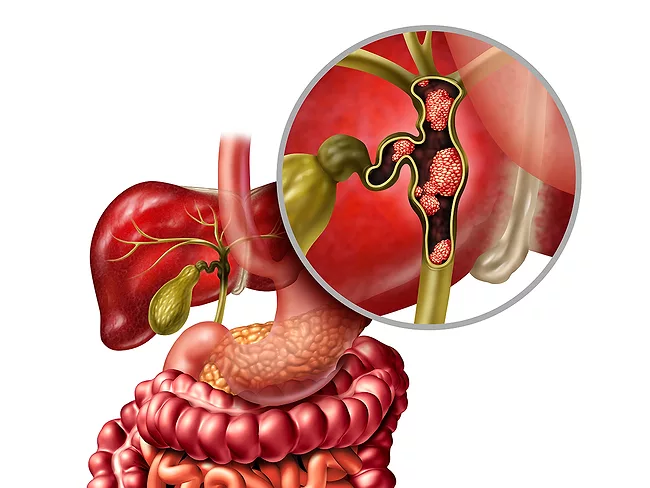
Cholangiocarcinoma (CCA) is a lethal hepatobiliary cancer with poor outcome; thus, new therapeutic approaches are needed. It is known that tyrosine-protein kinase LCK activates Yes-associated protein (YAP), which is a well-known known oncogene in CCA. Researchers have hypothesized LCK as a potential therapeutic target in CCA.
Ferroptosis, an iron-dependent cell death mechanism driven by unrestricted lipid peroxidation in the plasma membrane, is an emerging therapeutic target for cancer treatment. The lipid metabolism determines ferroptotic responses, but the lipid remodeling mechanism that determines sensitivity to ferroptosis and the function of phospholipid transporters in this mechanism remain unclear. To shed light on these questions, scientists from Guangzhou Medical University and colleagues have systematically measured the expression of 49 genes encoding phospholipid transporters (phospholipid scramblases, flippases and floppases) during ferroptosis.
Researchers at the Dana-Farber Cancer Institute have been able to identify proteins that were released from muscles during exercise in relatively small quantities. Using their method, the team was able to demonstrate that the neurotrophic factor prosaposin was produced during exercise. Prosaposin is “a well-known CNS neurotrophic factor, but has never been seen to come out of muscle or fat,” Bruce Spiegelman told BioWorld. Spiegelman is a researcher at the Dana-Farber Cancer Institute and Stanley J. Korsmeyer Professor of Cell Biology and Medicine at Harvard Medical School.

 RSS
RSS