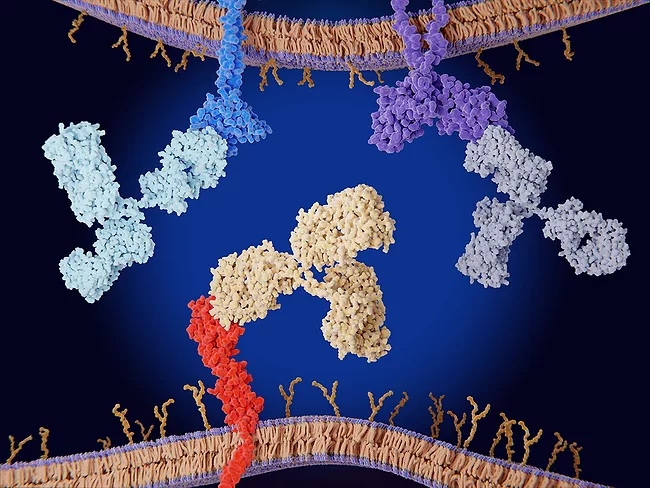
TANK-binding kinase 1 (TBK1) is a multifunctional serine/threonine kinase with an established role coordinating innate immune responses, and it has been previously identified as a candidate immune evasion gene. Additionally, disrupting TBK1 signaling has shown potential for enhancing response to immunotherapy with immune checkpoint blockade (ICB) in murine tumor models.
Polymeric nanoparticles selectively accumulate in solid tumors in part due to tumor-associated angiogenesis without efficient lymphatic drainage exerting an enhanced permeation and retention (EPR) effect. Many radiotherapies fail due to poor tumor cell selectivity.
Bacterial abortive infection is a defense mechanism by which an infected bacterial cell enters dormancy or dies to limit phage replication and protect the clonal population. Recent studies observed that CRISPR RNA-guided adaptive immune systems that target RNA also cause abortive-infection phenotypes by activating indiscriminate nucleases.
Recently, it has been found that loss-of-function of TPC2 alkalized melanosomes promoted pigmentation, while gain-of-function of TPC2 acidified melanosomes and inhibited melanin synthesis.
Mirati Therapeutics Inc. has received FDA clearance of its IND application for MRTX-1133, a potent, oral small-molecule inhibitor of the KRAS G12D driver mutation.
Mabwell Therapeutics Inc., a wholly owned subsidiary of Mabwell (Shanghai) Bioscience Co. Ltd., has entered into a license agreement with Disc Medicine Inc. for 9MW3011 (MWTX-001, MWTX-002 & MWTX-003) for hematologic diseases.
Researchers from Guangzhou Institutes of Biomedicine and Health and CSIRO presented the discovery and preclinical characterization of novel compounds with high activity against androgen receptor (AR)-dependent prostate cancer cells.
The discovery of two new sarcoma-specific pathways and 14 new genes that predispose people to heritable sarcomas could pave the way to managing cancer risk early via detection of these mutations for this rare type of cancer. Sarcomas are rare connective tissue malignancies mostly derived from embryonic mesoderm and affect younger people.
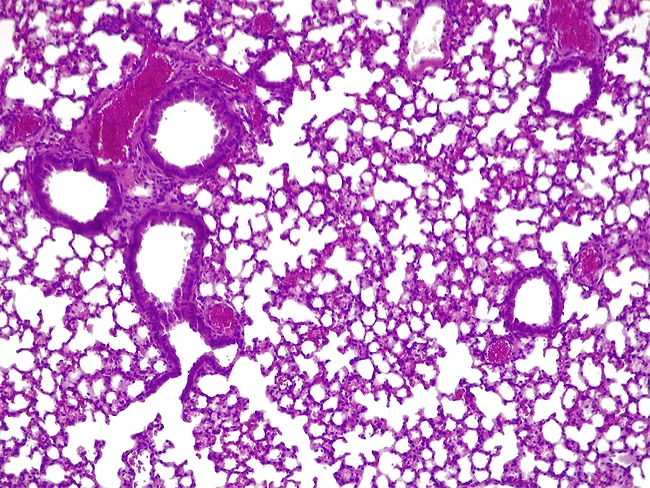
Researchers at the Barcelona Institute of Science and Technology’s Center for Genomic Regulation (CRG) and Pulmobiotics Ltd. have used one bacterium to fight another. In mouse models, the team used engineered Mycoplasma pneumoniae to treat Pseudomonas aeruginosa, the chief culprit in ventilator-associated pneumonia (VAP).
Immunotherapy, a treatment that increases the survival of cancer patients to the point of remission of the disease, can also have the opposite effect. In some patients, immune checkpoint blockade accelerates cancer. Now, researchers at the University of Michigan Medical School have discovered that the answer to this hyperprogressive disease (HPD) lies in the interconnection of the molecular pathways of interferon signaling (IFNγ), fibroblast growth factor 2 (FGF2) and the β-catenin protein.
 RSS
RSS