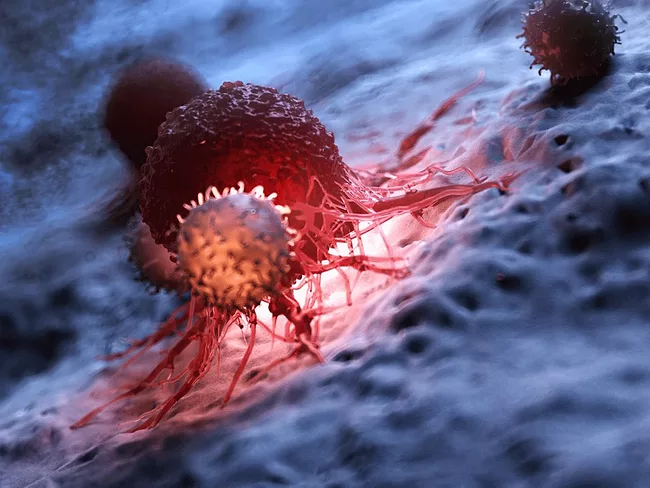
Medshine Discovery Inc. has divulged benzospiroheterocyclic derivatives acting as prostaglandin E receptor 4 (PTGER4; EP4 receptor) antagonists reported to be useful for the treatment of cancer.
Glycomimetics Inc. has identified glycosides acting as galectin-3 (LGALS3) inhibitors reported to be useful for the treatment of cancer, inflammation, thrombosis, cardiovascular disorders, transplant rejection, neurodegeneration, fibrosis and liver diseases, among other disorders.
Hibercell Inc. has disclosed aminopyrimidine derivatives acting as phosphatidylinositol 5-phosphate 4-kinase type II α (PIP4K2A; PIP5K2A) and type II β (PIP4K2B; PIP5K2B) inhibitors reported to be useful for the treatment of cancer, neurodegeneration, inflammation and metabolic diseases.
Ordaōs Bio Inc. has entered into a joint development agreement with Yatiri Bio Inc. to create new therapeutics for two novel targets in acute myeloid leukemia (AML).
Neurophth Therapeutics Inc. has received FDA clearance of its IND application for the in vivo gene replacement therapy NFS-02, a novel recombinant adeno-associated viral serotype 2 vector (rAAV2) containing a codon-optimized NADH-dehydrogenase subunit 1 (ND1) gene, for the treatment of Leber hereditary optic neuropathy (LHON) associated with ND1 mutation.
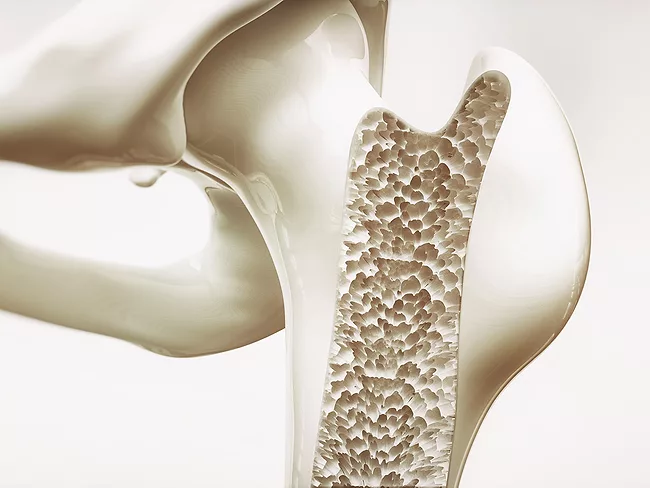
To date, there are no current orally available compounds that promote bone formation for treating osteoporosis; most treatments act by inhibiting osteoclastic bone resorption, leading to increased bone mineral density and reduced hip fracture rate in a modest way. Analogues of parathyroid hormone (PTH) are the most frequently used bone anabolic agents, which even though effective, they require daily injections.
Invectys Inc. and CTMC, a joint venture between MD Anderson Cancer Center and National Resilience Inc., have announced FDA clearance of an IND application for a phase I/IIa study of IVS-3001, Invectys' lead engineered human leukocyte antigen A (HLA-G)-targeting chimeric antigen receptor (CAR) T-cell therapy for the treatment of solid tumors.
Investigators from Army Medical University reported the discovery and preclinical characterization of a novel cannabinoid receptor 2 (CB2 receptor) agonist, YX-2102, being developed as a potential therapeutic candidate for alleviating lung fibrosis.

 RSS
RSS