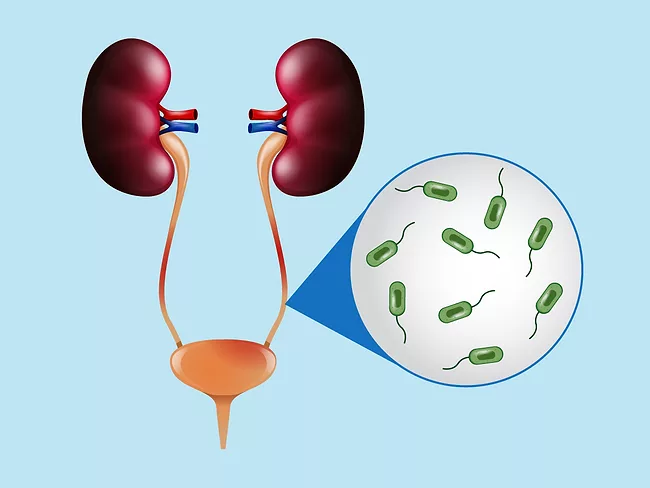
Currently, most patients with urinary tract infections (UTIs) require long-term antibiotic treatment, which poses risks of resistance development and alters the patients' microbiota. Therefore, vaccines that raise safe, effective and long-lasting immune responses across populations for UTI prevention constitute a critical medical need. However, developing such vaccination strategies remains challenging because the responses need to be specific to a broad range of UTI-causing bacteria and include both blood and mucosal responses in the urogenital tract.
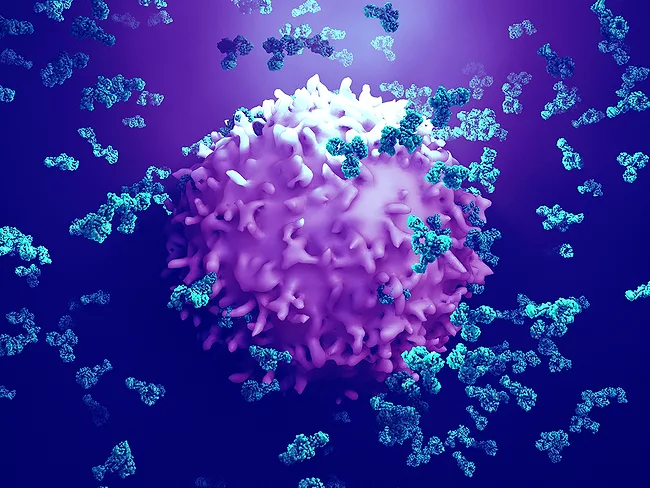
CD40-targeting therapies have been proposed as an interesting alternative to overcome resistance to immune checkpoint inhibitors. In particular, bispecific CD40 antibodies can target CD40 more efficiently and safely than monospecific therapies. In a recent publication, researchers at Alligator Bioscience AB and collaborators demonstrate that bispecific antibodies targeting CD40 and tumor-associated antigens (TAA) can enhance priming of tumor-specific T cells in vivo.
Scientists in Edinburgh are planning a clinical trial of licensed drugs in the prevention of chronic kidney disease (CKD) following acute kidney injury (AKI), after uncovering a new mechanism linking the pathology of one with the other. It has only recently been recognized that AKI is linked to CKD and cardiovascular disease, and to date the molecular pathways that control the transition are not well-mapped. As a result, there are no therapies for preventing acute injury progressing to chronic disease.
Wave Life Sciences Ltd. and GSK plc have entered into a strategic collaboration to advance oligonucleotide therapeutics, including Wave's preclinical RNA editing program targeting α1-antitrypsin deficiency (AATD), WVE-006. The discovery collaboration has an initial 4-year research term. The first part of the arrangement is a discovery collaboration that enables GSK to advance up to eight programs and Wave to advance up to three programs, leveraging Wave's PRISM oligonucleotide platform and GSK's expertise in genetics and genomics.
The California Institute for Regenerative Medicine (CIRM) has awarded Calidi Biotherapeutics Inc. a US$3.1 million grant to support continued development of the company's Supernova-1 (SNV-1) preclinical program through IND application. The grant was awarded to Calidi to support IND-enabling studies, finalize manufacturing and the completion of Calidi's IND application for the SNV-1 program.
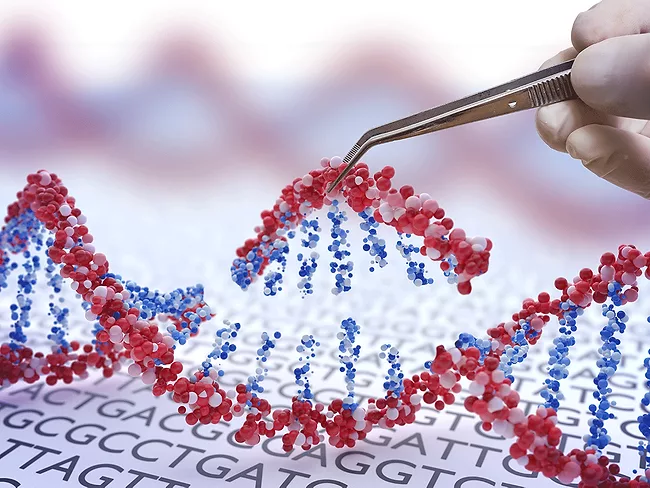
Programmable genome insertion of long DNA sequences, useful for both gene therapy and basic research, commonly relies on cellular responses to double-strand breaks (DSBs) using programmable nucleases, such as CRISPR-Cas9, for induction of repair pathways such as non-homologous end joining (NHEJ). To overcome the current limitations of gene integration approaches, scientists from the Massachusetts Institute of Technology and colleagues developed a new strategy based on advances in programmable CRISPR-based gene editing, such as prime editing, together with the application of precise site-specific integrases.
New and updated preclinical data presented at the American Society of Hematology Annual Meeting in New Orleans, by: Affimed, Asher Biotherapeutics, Disc Medicine, Keros Therapeutics, Kymera Therapeutics, Neoleukin Therapeutics, NGM Biopharmaceuticals, Oric Pharmaceuticals, Salarius Pharmaceuticals, Vincerx Pharma.
Jiangsu Chia Tai Tianqing Pharmaceutical Group Co. Ltd. has presented solute carrier family 22 member 12 (SLC22A12) inhibitors reported to be useful for the treatment of gout and hyperuricemia.
Chengdu Baiyu Pharmaceutical Co. Ltd. has identified piperazine derivatives acting as protein mono-ADP-ribosyltransferase TIPARP inhibitors reported to be useful for the treatment of cancer.
 RSS
RSS