Zhejiang Hisun Pharmaceutical Co. Ltd. and Shanghai Aryl Pharmtech Co. Ltd. have identified heterocyclic derivatives acting as GTPase KRAS (G12D mutant) inhibitors reported to be useful for the treatment of cancer.
Researchers from Shanghai Shyndec Pharmaceutical Co. Ltd. have detailed the discovery of novel selective serotonin reuptake inhibitor (SSRI)/5-HT1A dual targeting compounds as potential antidepressant candidates.
Investigators from Immunos Therapeutics AG aimed to develop novel anticancer therapies by using a reverse rational approach from HLA class I molecules with the aim to induce autoimmunity, and they identified HLA-B*57 as a well-known genetic factor associated with superior control of viral infections through processes not linked with peptide presentation.
As many as 3.8 million people experience a traumatic brain injury (TBI) each year in the United States and it is also the strongest environmental risk factor for developing dementia, but there are no treatments to mitigate deficits from TBI.
Acousia Therapeutics GmbH, and its partners at the Tübingen Hearing Research Center at University of Tübingen, have generated new preclinical data in support of hearing loss drug candidates ACOU-085 and ACOU-082.
Researchers from Suven Life Sciences Ltd. presented the discovery and preclinical characterization of a novel muscarinic acetylcholine M4 receptor positive allosteric modulator (PAM), SUVN-L1305022.
Neuropathic pain affects about 60% of patients with diabetes. The hepatocyte growth factor (HGF)/MET pathway is known to play a critical role in neurogenesis and nervous system repair; thus, its stimulation may provide neuroprotective effects, as well as reduce pain symptoms.
Treatment with anti-PD-1 checkpoint inhibitors is not effective in all cases, and around 10% of melanoma patients actually experience a rapid deterioration, a phenomenon known as hyperprogressive disease. Some studies have linked hyperprogression to specific immune cell populations or genes, and it remains unclear if this complication can be directly attributed to checkpoint immunotherapy or not.
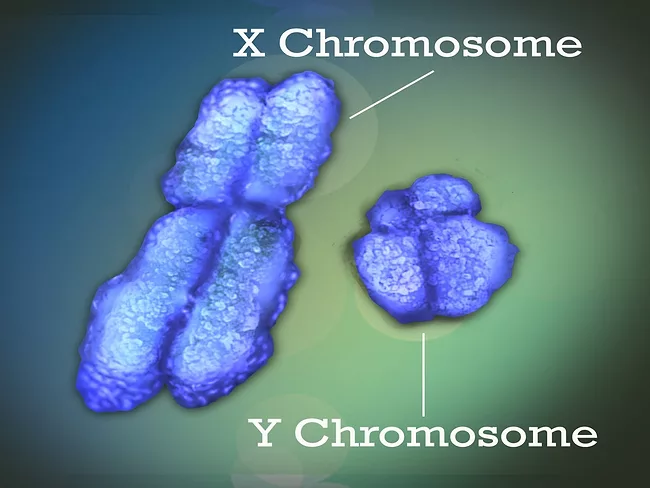
Israeli researchers have created cell lines, using cells donated by an individual with Klinefelter syndrome, that had different combinations of sex chromosomes but were otherwise isogenic. As reported in Stem Cell Reports on Nov. 24, 2022, lead investigator Benjamin Reubinoff, a clinician and professor in obstetrics and gynecology at Hadassah Hebrew University in Jerusalem, and team used cells donated from a mosaic Klinefelter syndrome patient to create the cell-based model. Patients with Klinefelter syndrome appear male, but have an extra X chromosome.

 RSS
RSS