Silo Pharma Inc. plans to initiate a pilot study of SPU-21, its novel joint-homing peptide targeting rheumatoid arthritis (RA), in human synovial tissue surrounding joints and tendons.
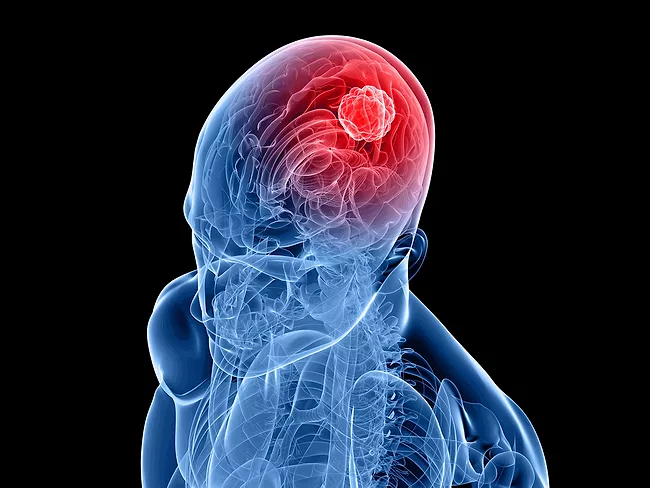
Glioblastoma (GBM) is the most common type of primary brain tumor in adults, with only a 7% rate of 5-year overall survival for patients. Oncolytic viruses based on HSV-1 vectors are an interesting and to-explore area for GBM treatment.
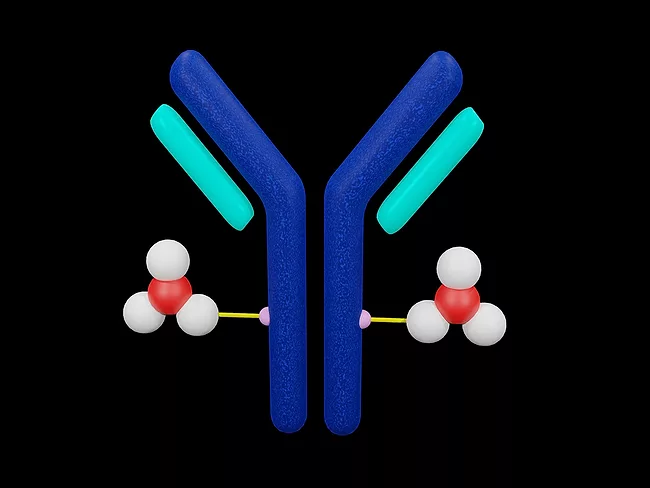
Activation of the cGAS-STING pathway activates the immune system through the production of type I interferons. There is knowledge that myeloid cell populations are among the most sensitive to STING agonism. Investigators at Takeda Pharmaceutical Co. Ltd. presented results on TAK-500, an immune stimulant antibody-drug conjugate (ISAC) composed of an antibody linked to a STING agonist for delivery to CCR2+ cells.
Acute liver failure (ALF) occurs when an acute injury to the liver is not compensated by the liver’s endogenous regenerative capacity, resulting in impaired liver function. Accelerating the liver’s regenerative capacity by activating the MET-hepatocyte growth factor (HGF) signaling pathway was the aim of this research. AGMB-101, developed by Agomab Therapeutics NV, is an agonist antibody targeting MET that was tested in two murine models of ALF.
Researchers from Sutro Biopharma Inc. presented the discovery and preclinical characterization of a novel receptor tyrosine kinase-like orphan receptor 1 (ROR1)-targeted antibody-drug conjugate (ADC), STRO-003, being developed for the treatment of cancer.
A research team at Duality Biologics (Suzhou) Co. Ltd. has discovered a novel anti-TNF-α monoclonal antibody-drug conjugate (ADC), DB-2306, as a potential therapeutic candidate for the treatment of autoimmune disease.
The Institute of Cancer Research (ICR) in London is shifting the focus of drug discovery from molecular targets in cancer cells to take in the whole ecosystem supporting tumor growth, evolution and the development of resistance. The aim is to exploit new understanding of the way cancers evolve within the ecosystem of the body, the interaction between cancer cells and the immune system, and the reliance of a tumor on the tissue and growth signals that surround it. Manipulating this environment could make cancer cells become “extinct,” ICR researchers say.
A combination of radiation therapy and CD47 blockade induced an abscopal effect in animal studies even in animals that lacked T cells, researchers reported in the Nov. 21, 2022, online issue of Nature Cancer. The findings are “the first demonstration of T-cell-independent abscopal response,” co-corresponding author Edward Graves told BioWorld. “We’re not trying to say that all abscopal responses are macrophage-mediated. There are plenty that require T cells,” Graves clarified. But “there is another avenue of abscopal responses that has not been reported. ... All the abscopal literature is about stimulating an adaptive response.”
Additional early-stage research and drug discovery news in brief, from: Altamira Therapeutics, Lantern Pharma, Marvel Biosciences, Olix Pharmaceuticals.
Wigen Biomedicine Technology (Shanghai) Co. Ltd. has described pyrrolopyrimidine derivatives as Wee1-like protein kinase (Wee-1) inhibitors reported to be useful for the treatment of cancer.
 RSS
RSS