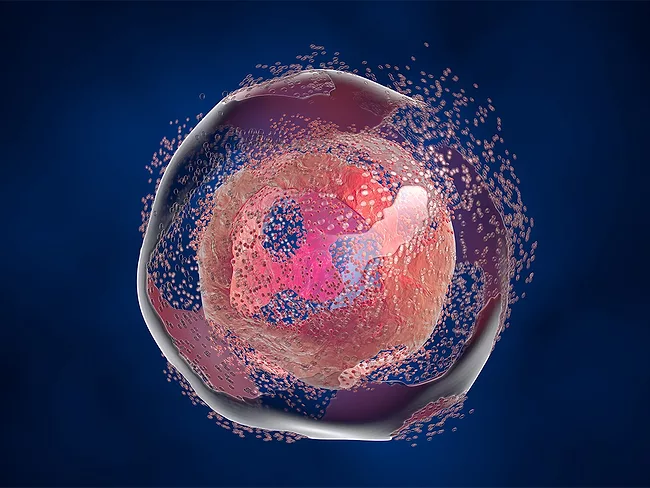
Glioblastoma (GBM), the most common malignant brain tumor, remains difficult to treat because cancer stem cells (CSCs) drive resistance and recurrence. Although the Bruton tyrosine kinase (BTK) inhibitor ibrutinib suppresses GBM cell growth and stem-like traits, its limited selectivity and off-target activity raise safety concerns, highlighting the need for more specific BTK inhibitors.
Gene editing technologies are moving forward in preclinical development with innovative strategies designed to treat diseases at their root and even reverse them. However, many approaches still struggle to reach target cells or tissues – either they fail to arrive, or their efficacy is low. In vivo therapies face numerous challenges, but despite these hurdles, 2025 has marked a year of remarkable progress.
Haisco Pharmaceutical Group Co. Ltd. has described compounds acting as TNF-α/tumor necrosis factor receptor superfamily member 1A (TNFR1) interaction inhibitors reported to be useful for the treatment of psoriasis, Crohn’s disease, ulcerative colitis and rheumatoid arthritis.
Shenzhen Targetrx Inc. has divulged proteolysis targeting chimera (PROTAC) compounds comprising a cereblon (CRBN)-binding moiety covalently linked to Raf kinase B (V600E mutant)-targeting moiety through linker reported to be useful for the treatment of cancer.
Researchers at Institute of Materia Medica Chinese Academy of Medical Sciences & Peking Union Medical College have identified 5’-nucleotidase (CD73) inhibitors reported to be useful for the treatment of cancer, fibrosis, cerebral ischemia, depression, sleep disorders, Parkinson’s disease, immunological disorders and inflammatory disorders, among others.
China Pharmaceutical University has synthesized transcriptional enhancer factor (TEAD) inhibitors reported to be useful for the treatment of cancer, fibrosis, metabolic diseases and inflammatory disorders.
Jiangsu Simcere Biologics Co. Ltd. has disclosed antibody-drug conjugates (ADC) comprising an antibody huAb-H3aL3-IgG1 targeting cadherin-17 (CDH17) covalently linked to a camptothecin derivative through a linker reported to be useful for the treatment of cancer.
Nur77, also known as TR3 or NGFI-B, is a transcription factor of the NR4A nuclear receptor family. Previous research found that Nur77 has a dual role in tumorigenesis and cancer progression through regulation of oncogenes such as CCND2, E2F1, TXNDC5 and BIRC5, acting either as an oncogene or as a tumor suppressor depending on the cancer type.
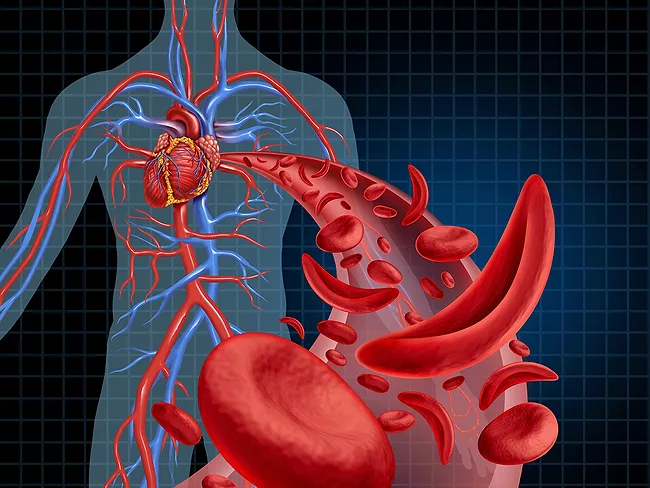
Sickle cell disease (SCD) is an inherited hemoglobinopathy caused by a mutation in the gene encoding β-globin that results in hemoglobin S polymerization, red blood cell (RBC) sickling and hemolytic anemia, among others.

 RSS
RSS