Arc Research Institute and Stanford University have disclosed ectonucleotide pyrophosphatase/phosphodiesterase family member 1 (ENPP1) and/or ENPP3 inhibitors reported to be useful for the treatment of cancer.
Investigators from Secarna Pharmaceuticals GmbH & Co. KG recently presented data for their antisense oligonucleotide (ASO) SECN-15 that targets and downregulates the expression of neuropilin-1 (NRP1), a transmembrane co-receptor that promotes tumor progression in several tumor types, including breast and gastric cancers.
Evidence suggests the composition of the gut microbiome modulates a tumor’s response to therapy. Maat Pharma SA has thus developed Microbiome Ecosystem Therapies (METs) that replicate, at a large scale, the effects of the gut microbiome in people who respond to immune checkpoint inhibitor (ICI) therapy.
In an alternative to small molecules, researchers at the University of Ferrara and Università degli Studi di Padova sought to create an NOP agonist based on peptides, specifically dimers of peptides derived from native nociceptin.
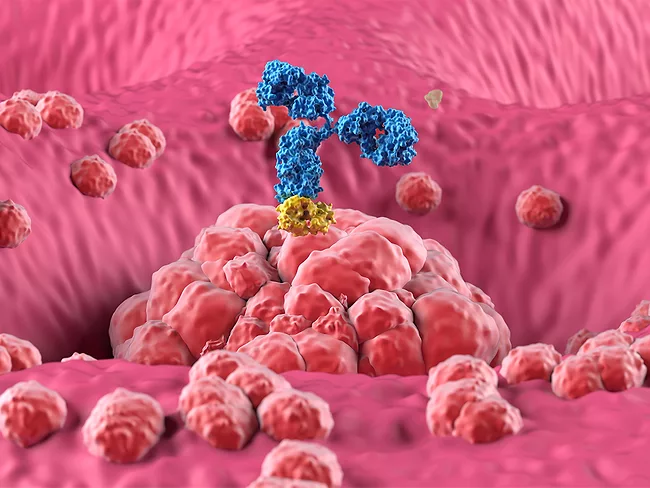
Researchers from the Wuhan Institute of Virology and collaborating institutions aimed to shed light on the physiological role of mesothelin (MSLN) and to identify antibodies that directly inhibit its function in tumor progression.
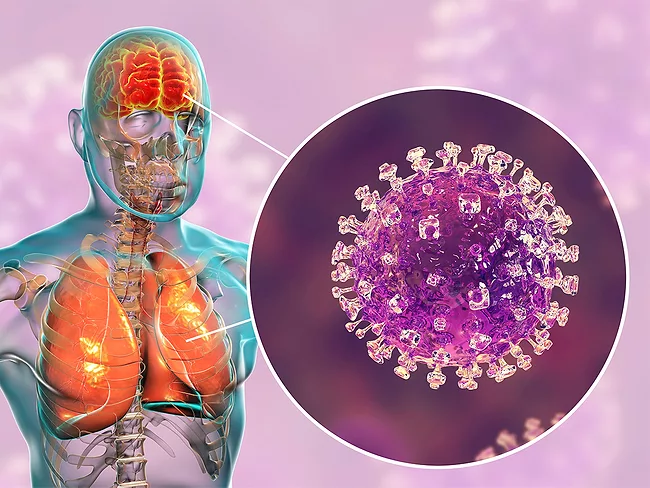
The RNA-based Nipah virus, which causes acute respiratory illness and fatal encephalitis, can be transmitted from fruit bats to humans directly or indirectly via pigs or horses. Researchers at Wuhan Institute of Virology, Chinese Academy of Sciences and collaborators wondered whether their oral nucleoside prodrug VV-116, recently licensed against human coronaviruses such as SARS-CoV-2 in China, would be effective against Nipah virus.
Agora Open Science Trust’s wholly owned open science drug development company, M4K Pharma, has nominated M4K-2009 as the lead development candidate for diffuse intrinsic pontine glioma (DIPG). The ALK2 inhibitor program is now advancing into IND-enabling studies for this pediatric brain cancer.
The collaboration brings together Relation’s AI-powered drug discovery platform and human data generation capabilities with Novartis’s expertise in immuno-dermatology to identify, validate and advance potential first-in-class targets in atopic diseases driven by immune dysregulation.
Researchers at the Institut Pasteur have developed a vaccine that spurred the production of autoantibodies to immunoglobulin E (IgE) antibodies, protecting vaccinated mice from anaphylaxis. In their paper, which they published in Science Translational Medicine on Dec. 3, 2025, the authors noted that the polyclonal antibodies generated by their vaccine lasted “for up to 12 months postvaccination with a similar avidity as the approved anti-IgE mAb omalizumab [Xolair, Roche AG].”

 RSS
RSS