Heartbeat.bio AG and Biotx.ai GmbH have partnered to identify and validate novel therapeutic targets in heart failure. The collaboration combines Biotx.ai’s causal mapping of the genome for target discovery with Heartbeat.bio’s human-based Cardioid drug discovery platform.
Researchers at Cincinnati Children’s Hospital Medical Center have developed a new human cell model for VEXAS syndrome, a rare, severe disorder marked by systemic inflammation, bone marrow failure and high mortality. VEXAS (short for vacuoles, E1-enzyme, X-linked, autoinflammatory, somatic) is a recently identified, acquired clonal hematopoietic disease that often co-occurs with myelodysplastic syndrome.
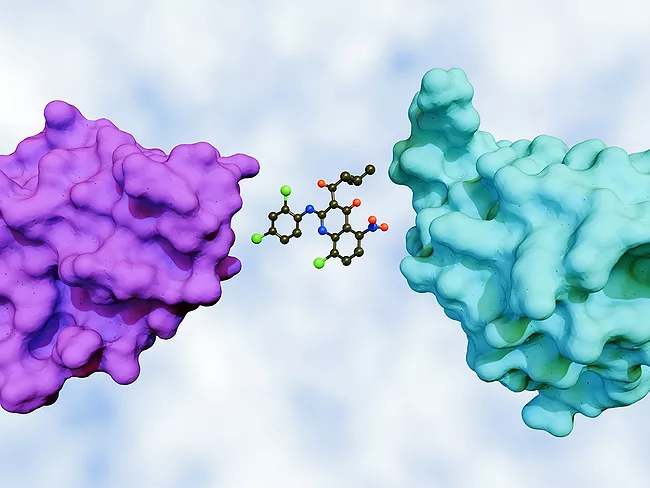
Degradation is a therapeutic strategy that could offer possibilities to get at currently undruggable target proteins. In targeted degradation, compounds induce interactions between a target protein and a protein that can tag the target for degradation. In principle, there are several pathways that could be used for such tagging; the most attention has gone to ubiquitin ligases, in particular cereblon, a protein that is part of a ubiquitin ligase complex and the target of several approved drugs.
The first systematic whole genome sequencing study of how chemotherapy damages healthy tissues has shown that many, but not all, of these agents cause mutations and premature aging of normal blood cells.
Additional early-stage research and drug discovery news in brief, from: Alpha Cognition, Audiocure Pharma, Inflectis Bioscience, Inventiva, Mira Pharmaceuticals.
Humanwell Healthcare (Group) Co. Ltd. has divulged Mas-related G-protein coupled receptor member X2 (MRGPRX2) antagonists reported to be useful for the treatment of pain, autoimmune disease and dermatological disorders.
Zhuhai Yufan Biotechnologies Co. Ltd. has identified molecular glue degraders comprising an E3 ubiquitin protein ligase-binding agent covalently bound to a DNA-binding protein Ikaros (IKZF1)-targeting moiety acting as IKZF1 degradation inducers potentially useful for the treatment of cancer, autoimmune disease, neurodegeneration and inflammatory disorders.
Vanderbilt University has synthesized muscarinic M4 receptor positive allosteric modulators (PAMs) reported to be useful for the treatment of Alzheimer’s disease, pain, schizophrenia and sleep disorders.
 RSS
RSS