Work at Blacksmith Medicines Inc. has led to the identification of new bacterial UDP-3-O-(R-3-hydroxymyristoyl)-N-acetylglucosamine deacetylase (LpxC) inhibitors reported to be useful for the treatment of Pseudomonas aeruginosa infection, lung diseases and infectious pneumonia.
A Chong Kun Dang Pharmaceutical Corp. patent describes new poly(ADP-ribose) polymerase 1 (PARP-1; ARTD1) inhibitors potentially useful for the treatment of cancer, rheumatoid arthritis, multiple sclerosis, Crohn’s disease, ulcerative colitis, graft-vs.-host disease, systemic lupus erythematosus and osteoarthritis, among others.
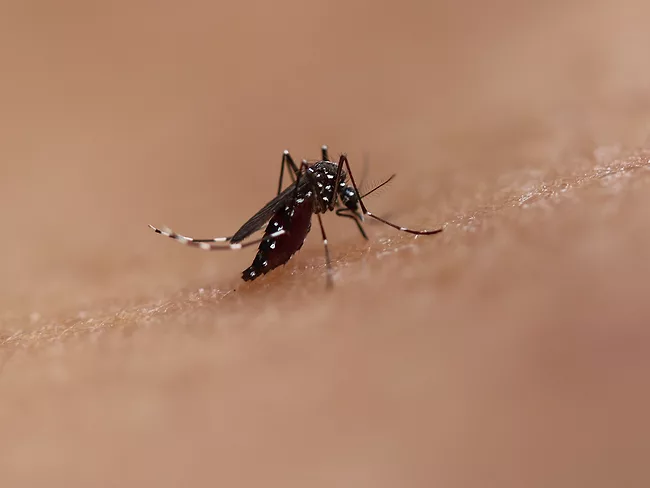
Oregon Health & Science University and Washington University have jointly developed new tetrahydrobenzothiophene and tetrahydropyridothiophene derivatives reported to be useful for the treatment of flavivirus and alphavirus infections.
Recurium IP Holdings LLC has patented new Wee1-like protein kinase (Wee1) inhibitors and/or degradation inducers reported to be useful for the treatment of cancer.
Immunoglobulin superfamily 11 (IgSF11) overexpression has been observed in several cancer types, including gastric cancer, hepatocellular carcinoma, colorectal cancers and gliomas, and linked to aggressive clinicopathological features. Therefore, IgSF11 has been proposed as a novel immune checkpoint ligand and a candidate for cancer immunotherapy. However, the potential role and clinical significance of IgSF11 in human breast cancer remain unexplored.
The envelope (E) proteins of Zika virus (ZIKV) and dengue virus (DENV) present a high degree of homology, which can lead to cross-reactive antibodies that exacerbate disease through antibody-dependent enhancement. This enormously challenges the development of effective ZIKV vaccines.
Tolerance Bio Inc. and Zipcode Bio have established a strategic research and development collaboration aimed at pioneering novel delivery methods for targeted thymus therapeutics.
Remedium Bio Inc. has entered into a multitarget research and development collaboration with Eli Lilly & Co. to advance gene therapies for type 2 diabetes and obesity using Remedium’s Prometheus dose-adjustable gene therapy platform.
At the American Society for Bone and Mineral Research (ASBMR) in Seattle, researchers from Ashibio Inc. reported preclinical efficacy data on vantictumab, a human monoclonal IgG2 lambda antibody that binds to multiple frizzled (FZD) receptors.
Neuronos Ltd., a subsidiary of Beyond Air Inc., has announced the granting of orphan drug designation by the FDA to BA-101 for the treatment of glioblastoma (GBM). The company is advancing development of BA-101 toward first-in-human studies.

 RSS
RSS