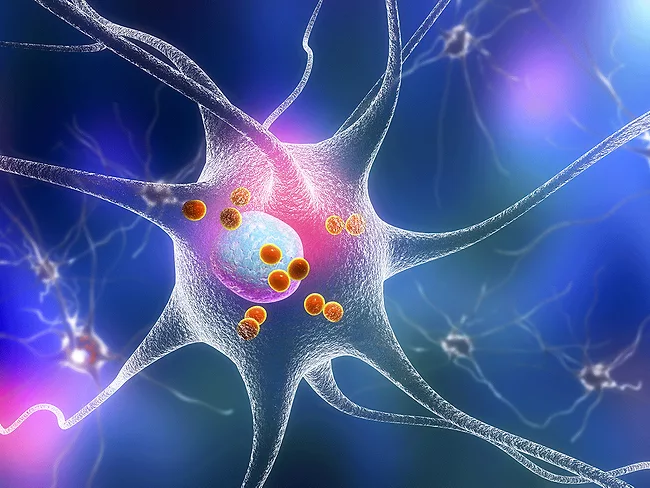
The etiology of epilepsy, as well as its pathology, still remains evasive. The role that FK506-binding protein 51 (FKBP51) might play in this disease was investigated in a murine model of kainic acid-induced excitotoxic brain injury.
Researchers from AC Immune SA recently presented the discovery of ACI-21018, a novel α-synuclein aggregation inhibitor developed using AC Immune’s proprietary Morphomer platform.
Boehringer Ingelheim Pharma GmbH & Co KG and Cue Biopharma Inc. have signed a strategic research collaboration and license agreement to develop and commercialize Cue Biopharma’s CUE-501, a differentiated B-cell depletion therapy for autoimmune diseases.
Praetego Inc. and University of California San Diego scientists reported preclinical results for the new small-molecule amadorin PTG-630, a brain-penetrant drug candidate that inhibits the formation of advanced glycation end-products (AGEs).
Researchers from Pretzel Therapeutics Inc. and the University of Gothenburg have published new insights on how mutations in the POLG gene affect its functionality and are tied to PolG diseases. They have also presented a compound for its potential treatment, PZL-A. They published their results in Nature on April 9, 2025.
In a roadmap to change animal testing requirements for INDs, the U.S. FDA said its new approach will improve drug safety, hasten the evaluation process, and lower costs for companies and patients. It’s another step in a process of changing rules put in place decades ago.
Shenzhen Zhongge Biotechnology Co. Ltd. has described tyrosine-protein phosphatase non-receptor type 2 (PTPN2; TCPTP) inhibitors reported to be useful for the treatment of cancer, type 2 diabetes, obesity and metabolic diseases.
Yeda Research and Development Co. Ltd. has divulged broad-spectrum coronavirus entry inhibitors reported to be useful for the treatment of SARS-CoV-2 infection (COVID-19), SARS-CoV infection and Middle East respiratory syndrome coronavirus (MERS-CoV) infection.
University College Cardiff Consultants Ltd. has identified miglustat prodrugs reported to be useful for the treatment of lysosomal storage diseases, Down syndrome and neurodegenerative disorders.
Researchers from China Pharmaceutical University and Jiangsu Nhwa Pharmaceutical Co. Ltd. have synthesized azetidine-containing compounds acting as muscarinic M4 receptor positive allosteric modulators (PAMs) reported to be useful for the treatment of Alzheimer’s disease, asthma, pain, schizophrenia, pulmonary hypertension, Huntington’s disease, Parkinson’s disease and sleep disorders among others.
 RSS
RSS