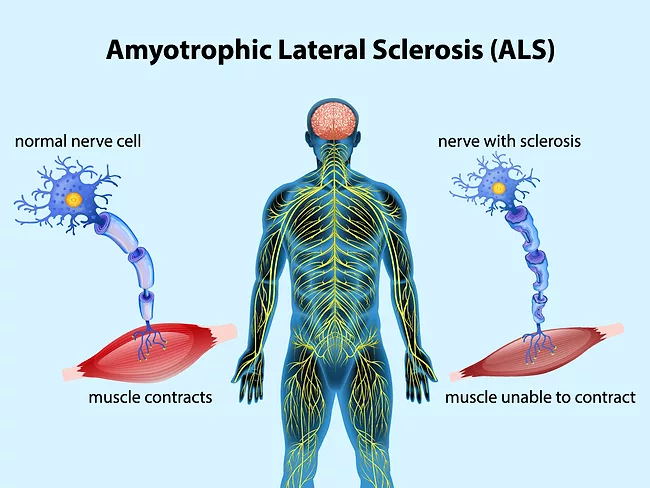
Huidagene Therapeutics Co. Ltd. has presented data for HG-303, a new CRISPR-hfCas12Max-based therapeutic approach that knocks down ATXN2 expression for the treatment of amyotrophic lateral sclerosis (ALS).
N4 Pharma plc has successfully completed the first in vivo study of orally delivered Nuvec using its lead program N4 101, an orally administered anti-inflammatory treatment for inflammatory bowel disease (IBD).
ALX Oncology Holdings Inc. is set to begin phase I studies around the middle of this year with ALX-2004, an antibody-drug conjugate (ADC) for the treatment of EGFR-expressing solid tumors, following IND clearance last month.
Chronic obstructive pulmonary disease (COPD) is a prevalent and heterogeneous respiratory disorder with limited effective treatments. IL-33 and IL-4Rα are key mediators of airway inflammation in COPD and hence represent potential therapeutic targets.
Since the development of the base and prime editing technique by David Liu at the Broad Institute, their applications in biomedicine have continued to grow, reaching 17 clinical trials for base editing and one clinical assay for prime editing. The 28th Annual Meeting of the American Society of Gene & Cell Therapy (ASGCT) marked a historic milestone this year by presenting the first case of treatment with base editors of a baby with a deadly metabolic disease.
Chengdu Zeling Biomedical Technology Co. Ltd. has described poly(ADP-ribose) polymerase 1 (PARP-1; ARTD1) inhibitors reported to be useful for the treatment cancer.
Scientists at Jubilant Biosys Ltd. and the University of Texas System have divulged fatty acid binding protein (FABP) inhibitors reported to be useful for the treatment of cancer.
Scientists at F. Hoffmann-La Roche Ltd. and Hoffmann-La Roche Inc. have identified macrocyclic compounds acting as GTPase KRAS (G12D mutant) and/or (G13D mutant) inhibitors reported to be useful for the treatment of cancer.
Bristol Myers Squibb Co. has disclosed proteolysis targeting chimera (PROTAC) compounds comprising a cereblon (CRBN) E3 ubiquitin ligase-binding moiety covalently bonded to a B-cell lymphoma 6 protein (BCL-6)-targeting moiety through a linker. They are reported to be useful for the treatment of cancer and autoimmune diseases.

 RSS
RSS