Head and neck cancer is the sixth most common cancer worldwide, and oral squamous cell carcinoma (OSCC) accounts for about 2% of all cancers and 1.9% of cancer-related deaths globally. OSCC is characterized by local invasiveness and lymph node metastatic ability, making it a very malignant cancer.
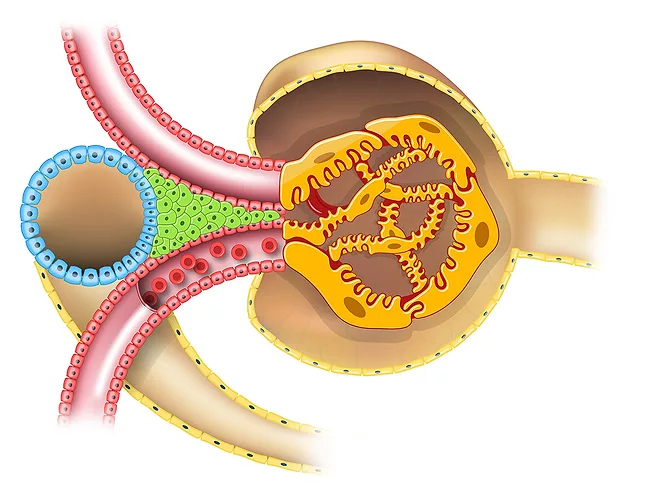
Researchers have discovered that reduced expression of the free fatty acid receptor 4 (FFAR4) is a biomarker of podocyte injury and aging, as well as a therapeutic target. Podocyte injury leads to progression of glomerular disease and aging, but the underlying mechanisms are poorly understood.
Bioage Labs Inc. is advancing its apelin receptor (APJ) agonist programs for obesity and other indications, and has entered into an option agreement with Jikang Therapeutics to license a novel APJ agonist nanobody.
Astrocytes are crucial for brain homeostasis and synaptic activity under healthy conditions, and are activated during neuroinflammation, neural damage and neurodegeneration, such as in Alzheimer's disease (AD).
Transpire Bio Inc. has signed an exclusive license agreement with Suzhou Intragrand Pharma Co. Ltd. for ITG-1052 (lenamilast), an investigational phosphodiesterase 4 (PDE4) inhibitor.
Glioblastoma is the most common and aggressive malignant brain tumor in adults. Although microtubule-targeting agents (MTAs) are among the most widely used first-line therapies in cancer, their efficacy in glioblastoma is limited by poor penetration of the blood–brain barrier.
The use of tyrosine kinase inhibitors (TKIs) in the treatment of epidermal growth factor receptor (EGFR)-mutant non-small-cell lung cancer (NSCLC) has not produced the same durable clinical benefits observed with next-generation targeted therapies in ALK- and ROS1-rearranged NSCLC. Given the molecular heterogeneity of EGFR-mutant NSCLC, which includes over 100 distinct mutations, there is a continued need for more effective and mutation-specific therapeutic strategies.
Nanjing Synnocare Pharmaceutical Technology Co. Ltd. has described poly(ADP-ribose) glycohydrolase (PARG) inhibitors reported to be useful for the treatment of cancer.
Galapagos NV has divulged probable global transcription activator SNF2L2 (SMARCA2; BAF190B; SNF2-α) inhibitors reported to be useful for the treatment of cancer.
Astellas Engineered Small Molecules US Inc. has identified poly(ADP-ribose) polymerase (PARP) inhibitors, particularly PARP-1 (ARTD1), reported to be useful for the treatment of neuronal injury.
 RSS
RSS