Resident immune cells, including type 2 innate lymphoid cells (ILC2s), play a key role in adipose tissue homeostasis. Researchers from Sungkyunkwan University and affiliated organizations evaluated the impact of ILC2s on systemic metabolic regulation in obesity.
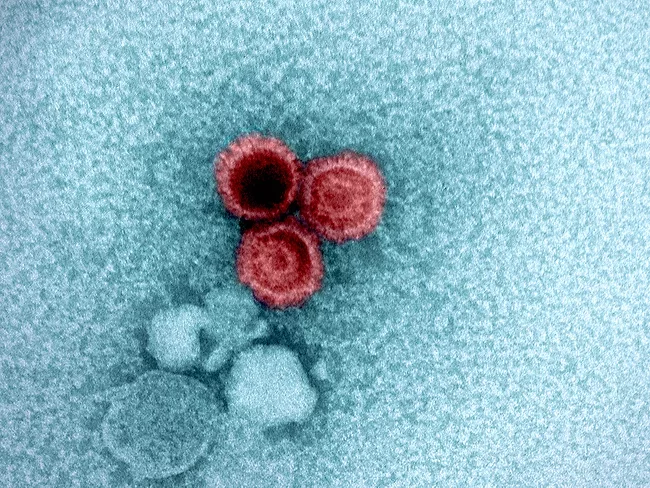
Epstein-Barr virus (EBV) infection is a recognized risk factor that is now regarded as a prerequisite for the development of multiple sclerosis (MS). Recently, significant advances have been made in clarifying the precise mechanism by which EBV leads to the pathogenic features of MS. Now, a new study may have tied up more loose ends. Researchers from the University of Helsinki have mapped the immune landscape of deep cervical lymph nodes (dCLN) in patients recently diagnosed with MS.
Cogent Biosciences Inc. has described compounds acting as fibroblast growth factor receptor (FGFR) inhibitors reported to be useful for the treatment of achondroplasia, cancer, craniosynostosis, Alzheimer’s disease, fibrosis, pulmonary fibrosis, systemic scleroderma (systemic sclerosis) and thanatophoric dysplasia, among others.
Hangzhou Zhongmei Huadong Pharmaceutical Co. Ltd. has identified tyrosine-protein phosphatase non-receptor type 2 (PTPN2; TCPTP) inhibitors reported to be useful for the treatment of cancer and metabolic diseases.
Nerio Therapeutics Inc. has synthesized proteolysis targeting chimera (PROTAC) compounds comprising an E3 ubiquitin ligase-binding moiety coupled to a tyrosine-protein phosphatase non-receptor type 1 (PTPN1; PTP-1B) and/or tyrosine-protein phosphatase non-receptor type 2 (PTPN2; TCPTP) targeting moiety through a linker reported to be useful for the treatment of cancer, type 2 diabetes, obesity and metabolic diseases.
Ilab Co. Ltd. has disclosed programmed cell death 1 (PDCD1; PD-1; CD279)/PD-1 ligand 1 (PD-L1; CD274) interaction inhibitors reported to be useful for the treatment of cancer.
Daewoong Pharmaceutical Co. Ltd. has described transcriptional coactivator YAP1/transcriptional enhancer factor (TEAD) interaction inhibitors reported to be useful for the treatment of cancer.
F. Hoffmann-La Roche Ltd. and Hoffmann-La Roche Inc. have identified NLRP3 inflammasome inhibitors reported to be useful for the treatment of asthma, chronic obstructive pulmonary disease and cardiovascular disorders.

 RSS
RSS