Hepatoblastoma is a form of liver cancer affecting children and for which the current treatment option available is surgical resection followed by chemotherapy based on cisplatin or doxorubicin. Its prognosis is still poor, and the recurrence rate is high. Neddylation is a biological process that has been well studied for its role in cancer biology; Spanish researchers have hypothesized that neddylation may play a significant role in the development and progression of hepatoblastoma.
Inherited retinal dystrophies (IRDs), including retinitis pigmentosa and Stargardt disease, are a group of rare degenerative disorders of the retina with clinical and genetic heterogeneity. In a recent publication, researchers from the Institute of Ocular Microsurgery applied clustered regularly interspaced short palindromic repeats (CRISPR)/Cas9 and transcription activator-like effector nucleases (TALEN) gene-editing tools to precisely correct induced pluripotent stem cell (hiPSC) lines derived from IRD patients.
Pannexin 1 (Panx1) is a high-conductance, voltage-sensitive ion channels that exhibit flexible gating behavior upon activation, enabling the passage of ions such as Ca2+, Na⁺, K⁺, and ATP. Panx1 is expressed in cardiac tissue, but its role in ATP release and electrophysiological processes affecting cardiac function is not fully understood. Researchers from Vanderbilt University Medical Center have found that in isolated ventricular cardiomyocytes, Panx1 activation during spontaneous sarco/endoplasmic reticulum Ca2+ release amplified the NCX-driven transient inward current.
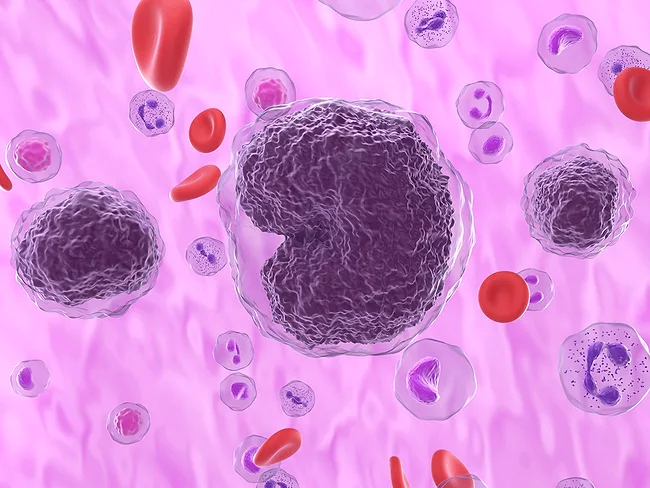
LTZ Therapeutics Inc. has gained IND approval from the FDA for LTZ-301, a first-in-class myeloid engager immunotherapy intended to treat relapsed or refractory non-Hodgkin lymphoma (r/r NHL).
Resident immune cells, including type 2 innate lymphoid cells (ILC2s), play a key role in adipose tissue homeostasis. Researchers from Sungkyunkwan University and affiliated organizations evaluated the impact of ILC2s on systemic metabolic regulation in obesity.
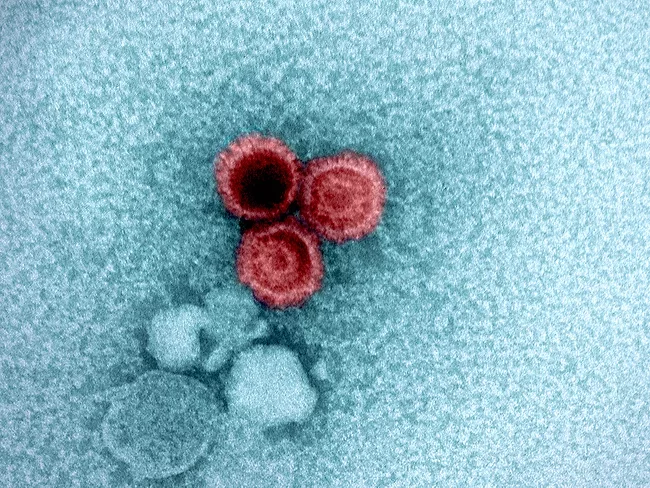
Epstein-Barr virus (EBV) infection is a recognized risk factor that is now regarded as a prerequisite for the development of multiple sclerosis (MS). Recently, significant advances have been made in clarifying the precise mechanism by which EBV leads to the pathogenic features of MS. Now, a new study may have tied up more loose ends. Researchers from the University of Helsinki have mapped the immune landscape of deep cervical lymph nodes (dCLN) in patients recently diagnosed with MS.
Cogent Biosciences Inc. has described compounds acting as fibroblast growth factor receptor (FGFR) inhibitors reported to be useful for the treatment of achondroplasia, cancer, craniosynostosis, Alzheimer’s disease, fibrosis, pulmonary fibrosis, systemic scleroderma (systemic sclerosis) and thanatophoric dysplasia, among others.
Hangzhou Zhongmei Huadong Pharmaceutical Co. Ltd. has identified tyrosine-protein phosphatase non-receptor type 2 (PTPN2; TCPTP) inhibitors reported to be useful for the treatment of cancer and metabolic diseases.
Nerio Therapeutics Inc. has synthesized proteolysis targeting chimera (PROTAC) compounds comprising an E3 ubiquitin ligase-binding moiety coupled to a tyrosine-protein phosphatase non-receptor type 1 (PTPN1; PTP-1B) and/or tyrosine-protein phosphatase non-receptor type 2 (PTPN2; TCPTP) targeting moiety through a linker reported to be useful for the treatment of cancer, type 2 diabetes, obesity and metabolic diseases.
 RSS
RSS