Shanghai Qilu Pharmaceutical Research and Development Centre Ltd. has described immunoproteasome inhibitors reported to be useful for the treatment of systemic lupus erythematosus and arthritis.
Qianhangjiang Pharmaceutical Co. Ltd. has divulged somatostatin peptide analogues acting as somatostatin receptor type 2 (SSTR2) ligands reported to be useful for the treatment of cancer and acromegaly.
Summit Therapeutics Inc. has identified proteolysis targeting chimera (PROTAC) compounds comprising an E3 ubiquitin ligase binding moiety coupled to a GTPase KRAS (G12D) targeting moiety through a linker acting as KRAS (G12D) inhibitors and degradation inducers reported to be useful for the treatment of cancer.
Shanghai Jemincare Pharmaceutical Co. Ltd. has synthesized ubiquitin carboxyl-terminal hydrolase 1 (USP1) inhibitors reported to be useful for the treatment of cancer.
Beijing Primegene Therapeutics Co. Ltd. has disclosed serine/threonine-protein kinase Nek7 inhibitors reported to be useful for the treatment of cancer, inflammatory bowel disease, stroke, osteoarthritis, multiple sclerosis, rheumatoid arthritis, atherosclerosis and Alzheimer’s disease, among others.
Researchers from Heidelberg Pharma AG have presented a new antibody-drug conjugate (ADC) that shows promise for treating pancreatic ductal adenocarcinoma (PDAC). The ADC, called hRS7 ATAC, targets trophoblast cell surface antigen 2 (TROP2), which is overexpressed in most pancreatic tumors and is associated with aggressive disease and poor prognosis.
Innorna Co. Ltd.’s investigational mRNA therapy, IN-013, has been awarded orphan drug and rare pediatric disease designations by the FDA for the treatment of Wilson disease.
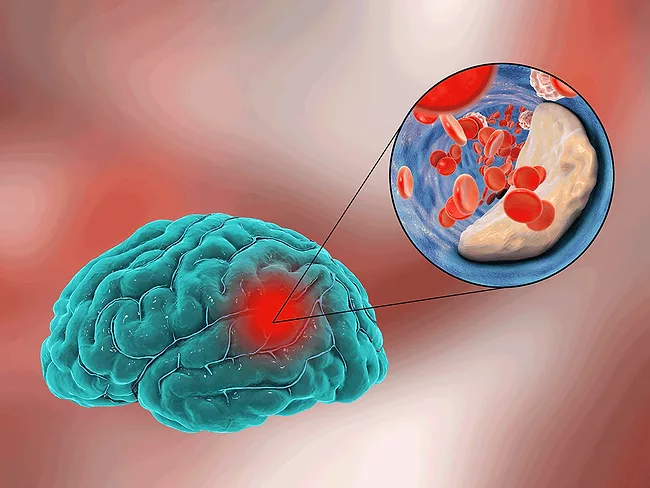
Following a stroke, multiple immune cell types contribute to the neuroinflammatory response, with T cells being among the most consistently associated with both the initial and secondary phases of brain injury.

 RSS
RSS