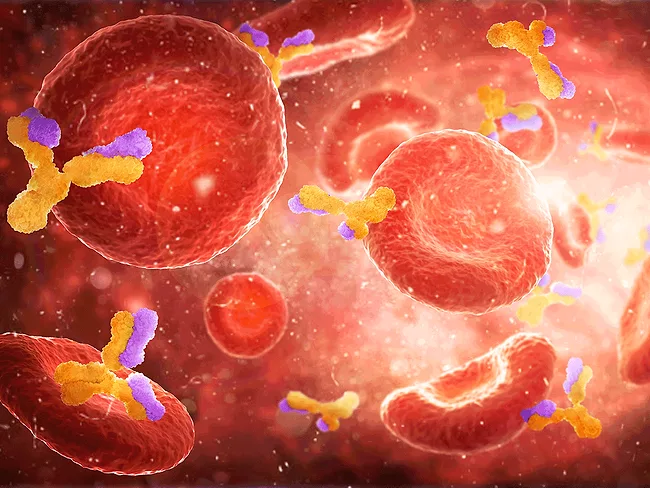
The U.S. Army Medical Research Institute of Infectious Diseases (USAMRIID) and medical research charity Lifearc have announced a collaboration to develop an affordable and accessible monoclonal antibody (mAb) therapeutic for Crimean-Congo hemorrhagic fever virus (CCHFV).
Aclaris Therapeutics Inc. has gained IND clearance from the FDA for ATI-052, a bispecific anti-thymic stromal lymphopoietin (TSLP)/interleukin-4 receptor (IL-4R) monoclonal antibody being developed to treat certain immuno-inflammatory diseases. A phase Ia/Ib trial, including a proof-of-concept portion in an undisclosed indication, will begin in the current quarter.
Ensem Therapeutics Inc. has gained IND clearance from the FDA for ETX-636, a novel allosteric pan-mutant-selective PI3Kα inhibitor and degrader. A first-in-human trial will begin this quarter. The phase I/II study will evaluate ETX-636 administered alone and in combination with fulvestrant in participants with advanced solid tumors, including breast cancer, harboring a PI3Kα mutation.
Diabetic nephropathy (DN), characterized by progressive damage to the glomeruli and tubulointerstitial compartments, is driven by metabolic reprogramming and mitochondrial dysfunction, including excessive mitochondrial fission mediated by dynamin-related protein 1 (Drp1).
Neushen Therapeutics Inc. has described NLRP3 inflammasome inhibitors reported to be useful for the treatment of autoimmune disease, cardiovascular disorders, neurodegeneration and chronic obstructive pulmonary disease.
Nuvalent Inc. has identified proto-oncogene tyrosine-protein kinase ROS (ROS1; MCF3) and/or ALK tyrosine kinase receptor inhibitors reported to be useful for the treatment of cancer.
Researchers at Bexson Biomedical Inc. and Saint Joseph’s University have synthesized NMDA receptor antagonists reported to be useful for the treatment of neurological and psychiatric disorders.

 RSS
RSS