Researchers from UCB SA and affiliated organizations presented the discovery and preclinical characterization of novel NUAK family SnF1-like kinase-1 (NUAK1) inhibitors.
Ibio Inc. has expanded its cardiometabolic and obesity treatment development program by in-licensing a long-acting anti-myostatin antibody from Astralbio Inc. The antibody, now named IBIO-600, was identified by Astralbio using Ibio’s proprietary technology stack.
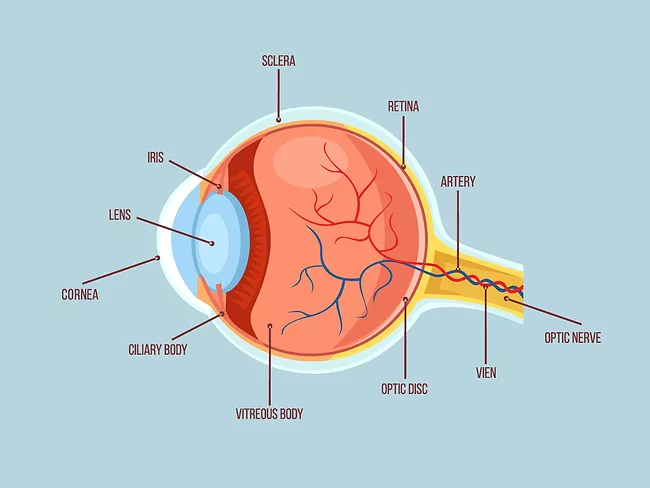
Proper survival and regeneration of retinal ganglion cells (RGCs), which constitute the optic nerve, is crucial for managing traumatic or ischemic optic nerve injury, optic neuropathy, or optic pathway gliomas. Researchers from Wenzhou Medical University described the synthesis of novel spirocyclic chalcone derivatives designed to combat optic nerve damage.
Simcere Zaiming Pharmaceutical Co. Ltd. has announced clinical trial approvals in China and the U.S. for its CDH6-targeting antibody-drug conjugate (ADC), SIM-0505, for advanced solid tumors. A global clinical study will evaluate SIM-0505 in various malignant tumors, including ovarian cancer and renal cancer.
Zhongzhi Pharmaceutical Holdings Ltd. made a $3 million investment in a series A financing round of stem cell therapy developer Gabaeron Inc. Dec. 21, expected to help propel Gabaeron’s preclinical Alzheimer’s disease (AD) candidate into phase I testing.
Scientists at Boehringer Ingelheim Pharma GmbH & Co. KG and Vanderbilt University have described GTPase KRAS and/or its mutant inhibitors reported to be useful for the treatment of cancer.
Gluetacs Therapeutics (Shanghai) Co. Ltd. has synthesized proteolysis targeting chimera (PROTAC) compounds comprising an E3 ubiquitin ligase-binding moiety covalently linked to a target protein binding moiety through a linker reported to be useful for the treatment of cancer, dermatological, neurological, respiratory and cardiovascular disorders, autoimmune diseases, infections and transplant rejection, among others.
Researchers at Shanghai Aryl Pharmtech Co. Ltd. and Zhejiang Hisun Pharmaceutical Co. Ltd. have identified aromatic amide derivatives acting as kinesin-like protein KIF18A inhibitors reported to be useful for the treatment of cancer.
 RSS
RSS