CAR T-cell therapy can be applied to treat some chronic infectious diseases, particularly to provide a functional cure for HIV-1 in people living with HIV. However, the effectiveness of CAR T cells for persistent suppression of HIV still faces many constraints, including the high mutation rate of reverse transcriptase, which enables the emergence of immune escape viral variants.
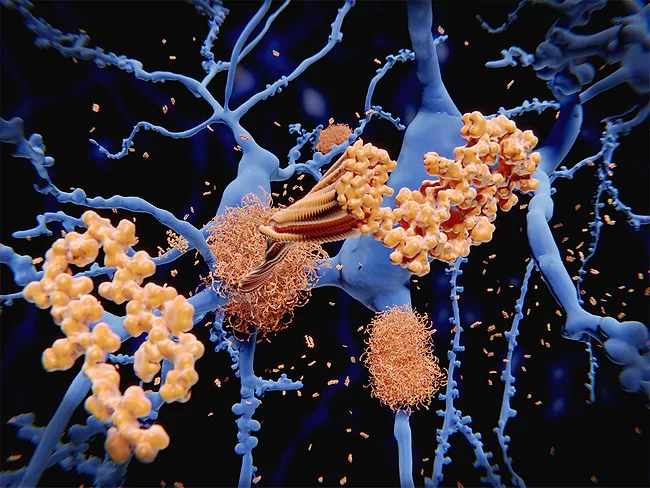
The potent carboxypeptidase enzyme protective protein cathepsin A (PPCA) is known to cleave the C-terminus of amyloid-β42, responsible for aggregation and oligomer stability, and may reduce both intracellular and extracellular amyloid-β aggregates in the brain. Amlogenyx Inc. has presented data regarding their approach based on PPCA delivery through an adenoviral vector (AAV9), namely AM-805, for the potential treatment of Alzheimer’s disease (AD).
Biolojic Design Ltd. has earned an additional milestone payment from its collaboration partner, Teva Pharmaceutical Industries Ltd., for TEV‘325 (TEV-56308, formerly BD-9), a multibody targeting IL-13 and thymic stromal lymphopoietin (TSLP) for autoimmune disease
Researchers from Chengdu Kanghua Biological Products Co. Ltd. recently published information on their novel varicella zoster virus (VZV) mRNA vaccine candidate (KH014). KH014 contains sequence-optimized mRNAs encoding full-length glycoprotein E encapsulated in ionizable lipid nanoparticles.
Microglia play a central role in the neuroinflammation associated with Alzheimer’s disease (AD). These cells act as the brain’s immune system and respond to damage signals such as amyloid accumulation. When the process starts, the initial microglial response can be protective. However, in later stages, this response becomes dysfunctional and contributes to disease progression. At the 20th International Conference on Alzheimer’s and Parkinson’s Diseases (AD/PD), scientists focused on TREM2, a microglial receptor that regulates immune responses, exploring new ways to address neuroinflammation.
Yuhan Corp. has discovered glucagon-like peptide 1 receptor (GLP-1R) agonists reported to be useful for the treatment of obesity, diabetes, hypertension, hyperlipidemia, hypoglycemia, coronary artery disease, chronic kidney disease and cardiovascular disorders, as well as hepatic steatosis and alcoholic fatty liver disease.
TYK Medicines Inc. has synthesized cyclin-dependent kinase 4 (CDK4) inhibitors designed for use in the treatment of cancer, infections, and metabolic, inflammatory cardiovascular and inflammatory disorders.
The Institute of Materia Medica Chinese Academy of Medical Sciences and the Peking Union Medical College have reported magnolol/honokiol nitrone derivatives acting as nitric oxide (NO) production inhibitors for the potential treatment of amyotrophic lateral sclerosis, traumatic brain injury, cerebral infarction, autoimmune disease, and respiratory tract and skin inflammation, among others.
Arvinas Operations Inc. has disclosed proteolysis targeting chimera (PROTACs) compounds comprising a cereblon (CRBN) E3 ubiquitin ligase-binding moiety covalently linked to a B-cell lymphoma 6 protein (BCL-6)-targeting moiety through a linker with potential for use in the treatment of cancer.
 RSS
RSS