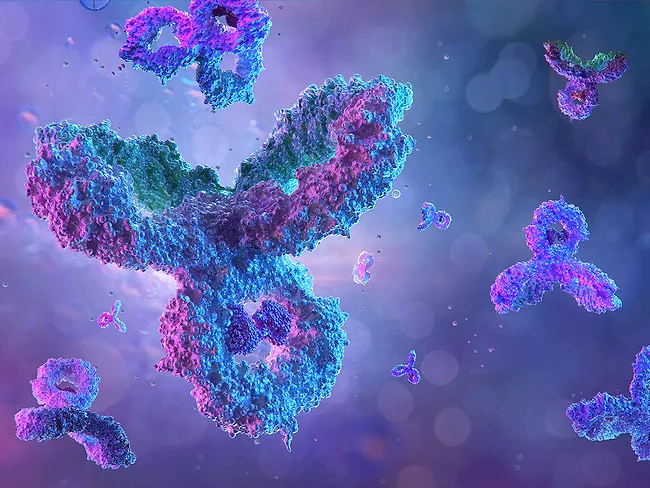
A paper from Shenzhen University and affiliated organizations covers the discovery of a novel bromodomain-containing protein 4 (BRD4)-specific proteolysis-targeting chimera (PROTAC).
Axcelead Drug Discovery Partners (DDP) Inc. has entered into a strategic research and collaboration agreement with Eli Lilly & Co. for multiple drug discovery programs.
Secondary progressive multiple sclerosis (SPMS) is a chronic form of disease that occurs after relapsing-remitting MS, with a progressive disease course, and its pathogenesis remains unclear. CX3C chemokine receptor 1 (CX3CR1) is a G protein-coupled receptor that may be a useful marker of Eomes+ Th cells; the antigen has been shown to be expressed by cytotoxic Th cells and required for late-onset disease.
Nanovation Therapeutics Inc. has established a multiyear partnership with Novo Nordisk A/S to advance the development of novel genetic medicines targeting cardiometabolic and rare diseases. The partnership brings together Nanovation’s proprietary long-circulating lipid nanoparticle (lcLNP) technology for RNA delivery to cells outside of the liver, and Novo Nordisk’s expertise in cardiometabolic and rare disease R&D and clinical translation.
Previous research has demonstrated that patients treated with the second-generation antipsychotic olanzapine (OLA) have metabolic dysfunctions and insulin resistance. Researchers from Instituto de Investigaciones Biomedicas “Alberto Sols” and collaborators investigated the impact of intraperitoneal (i.p.) OLA treatment on peripheral insulin sensitivity as well as potential effects of inhibiting the protein tyrosine phosphatase 1B (PTP1B), a negative regulator of insulin signaling.
The Annual Congress of the European Committee for Treatment and Research in Multiple Sclerosis (ECTRIMS) meeting in Copenhagen this week is celebrating its 40th edition. In recognition of this landmark, the plenary session and opening lecture were attended by Queen Margrethe of Denmark. Afterward, the hot topic session on neuroprotective therapies set the stage for the subsequent discussions on the latest trends in the management and treatment of multiple sclerosis (MS).
Researchers at Anadolu University and Bilecik Seyh Edebali University have described quinazolinone derivative compounds acting as EGFR (HER1; erbB1) inhibitors and apoptosis inducers reported to be useful for the treatment of lung cancer.
Signet Therapeutics Co. Ltd. has divulged α, β-unsaturated amide compounds acting as transcriptional enhancer factor (TEAD) inhibitors reported to be useful for the treatment of cancer.
 RSS
RSS