Researchers from Southern Medical University and affiliated organizations presented the discovery and preclinical characterization of novel human urate transporter 1 (hURAT1) inhibitors being developed for the treatment of hyperuricemia.
EZH2 and LSD1 are histone modification enzymes often overexpressed in several types of aggressive cancer such as colorectal, breast or prostate cancer, among others.
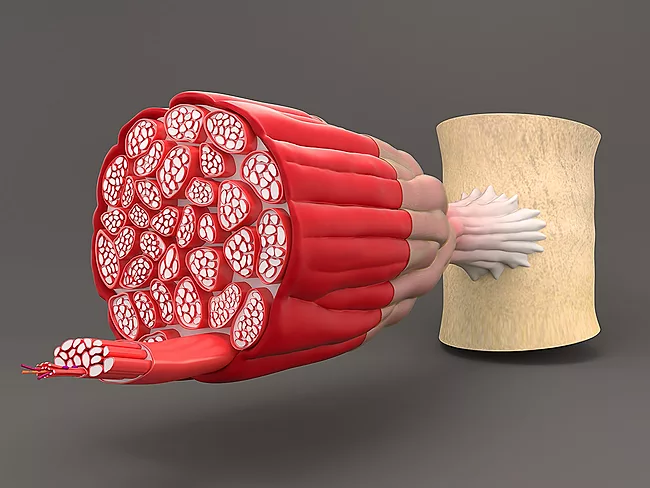
Satellos Bioscience Inc. has developed and presented data for a compound that targeted the process of muscle regeneration based on modulation of satellite stem cell polarity.
Keybioscience AG and Eli Lilly & Co. have agreed to extend their collaboration on the development of dual amylin and calcitonin receptor agonists (DACRAs), a new class of potential treatments for obesity and related disorders.
Aberrant expression of G9a and NSD2 has been identified in multiple types of cancer. Therefore, dual-target inhibitors blocking both pathways may be considered a potential strategy to treat solid tumors. Researchers from Sun Yat-Sen University reported on the discovery and preclinical characterization of W-4032, a dual G9a/NSD2 inhibitor aimed to be used for the treatment of solid tumors.
Facioscapulohumeral muscular dystrophy (FSHD) is a severe muscle disorder caused by aberrant DUX4 mRNA expression in skeletal muscle. DUX4 activates downstream target transcriptome, known as D4T, leading to myofiber loss and muscle weakness.
Ibio Inc. has announced progress under its collaboration with Astralbio Inc. on a joint myostatin program for cardiometabolic disease and obesity. Ibio leveraged its technology to rapidly advance the program from inception to in vitro proof of concept in human muscle cells.
To recreate in the laboratory the formation of Lewy bodies as they would occur in a Parkinson’s patient, two ingredients are required: the protein α-synuclein and the participation of the immune system. The results could prevent the development and progression of this neurodegenerative disorder and help in the search for new therapies.
Purespring Therapeutics Ltd. has raised £80 million (US$104.6 million) in a series B, putting it on course to be the first to take a gene therapy for a kidney disease into the clinic. The money enables the company to move the lead program, PS-002, for the treatment of IgA nephropathy to clinical proof of concept and advance programs in other complement-mediated kidney diseases, and in an undisclosed glomerular kidney disease.
Haisco Pharmaceutical Group Co. Ltd. has disclosed new tetrahydrofuran derivatives acting as sodium channel protein type 10 subunit alpha (SCN10A; Nav1.8) blockers reported to be useful for the treatment of pain.

 RSS
RSS