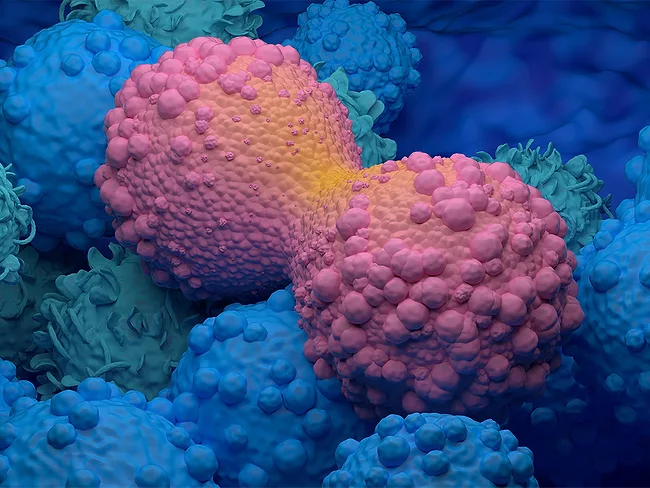
Researchers from Sichuan University reported the discovery and preclinical characterization of a new series of covalent ULK1 inhibitors. ULK1 is frequently overexpressed in colorectal cancer (CRC) and is therefore being investigated as a therapeutic target to disrupt autophagy-dependent tumor survival and growth.
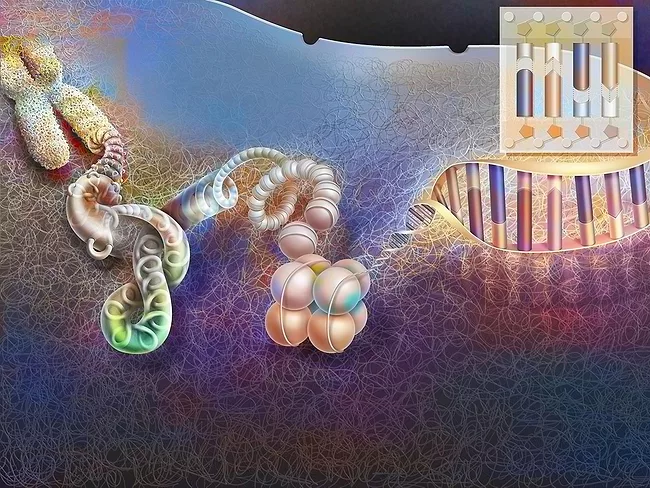
Tippingpoint Biosciences Inc. has closed an oversubscribed $4.5 million seed financing. The company, spun out of a lab at University of California, San Francisco (UCSF), is advancing its novel drug discovery platform designed to identify first-in-class drugs to treat diseases related to dysfunctional DNA packaging (chromatin).
Ambrosia Biosciences Inc. has announced a $100 million oversubscribed series B financing intended to support progression of the company’s oral small-molecule GLP-1 candidate and other novel cardiometabolic programs into clinical development.
Telomir Pharmaceuticals Inc. has submitted an IND application to the U.S. FDA for its lead candidate, Telomir-1 (Telomir-Zn), for the treatment of advanced and metastatic triple-negative breast cancer (TNBC). Telomir-1 is a first-in-class metal-modulating epigenetic agent designed to restore transcriptional control in tumor cells by targeting intracellular iron-zinc homeostasis.
Alltrna has obtained approval in Australia to initiate a phase I trial of AP-003 in healthy volunteers under Australia’s TGA clinical trial notification scheme. AP-003 is a chemically modified, engineered transfer RNA (tRNA) oligonucleotide encapsulated in a clinically validated, liver-directed lipid nanoparticle.
Currently available disease management options for Duchenne muscular dystrophy (DMD) are mostly symptomatic. Several strategies based on exon-skipping or gene transfer have been proposed to restore dystrophin expression, but can only address specific subsets of DMD patients and/or provide limited clinical benefits. Upregulating utrophin (UTRN), a structural and functional paralogue of dystrophin, has been proposed as an alternative therapeutic approach that may be suitable for all DMD patients, regardless of their genetic defect.
Hematopoietic stem cell (HSC) research over the past century has shown that leukemia may be driven by an invisible hand of inflammation. The bone marrow and inflammation, then, may hold the keys to preventing blood cancers, according to John E. Dick’s plenary session at the 2026 Korean Society of Hematology International Conference (ICKSH 2026), held March 26, 2026. Work in Dick’s lab has found acute myeloid leukemia (AML) HSCs that harbor preleukemic mutations long before any disease diagnosis. These insights have enabled predictive models that could identify individuals at elevated AML risk years before the onset of outright disease, opening the door to new prevention strategies.
Montclair State University and the University of Maryland have discovered new dual 3’,5’-cyclic-AMP and -GMP phosphodiesterase 11A4 (PDE11A4) inhibitors potentially useful for the treatment of cognitive disorders.
The University of Toronto has patented new histone deacetylase 6 (HDAC6) inhibitors designed for use in the treatment of cancer, inflammation, neurodegeneration, infections, renal, neuromuscular, respiratory disorders and cardiometabolic syndrome.
 RSS
RSS