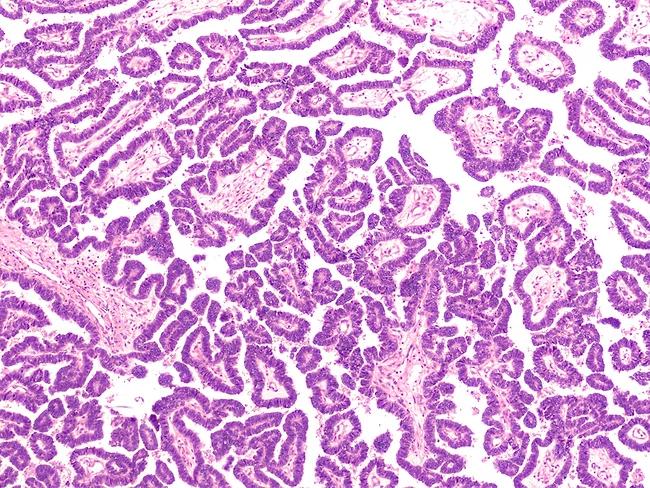
Overt Bio Inc. is advancing lead asset OVT-101 toward the clinic. The allogeneic, potential first-in-class, off-the-shelf γδ CAR T therapy targets claudin-6, which is present in the majority of ovarian cancers and several other solid tumors.
Endomet Biosciences Inc. (dba Endocyclic Therapeutics) has obtained IND clearance from the FDA for its lead program, ENDO-205, a first-in-class, nonhormonal targeted peptide therapeutic for endometriosis.
Soluble amyloid-β oligomers (AβOs) are known early drivers of Alzheimer’s disease pathogenesis. Acumen Pharmaceuticals Inc. has recently presented data generated in the development and characterization of anti-AβO antibodies with high selectivity for AβO over Aβ monomers.
Insitro Inc. has expanded its strategic collaboration with Bristol Myers Squibb Co. to advance a broadened portfolio of therapeutic programs for amyotrophic lateral sclerosis (ALS).
Glyconex Inc. has entered into a collaboration agreement with Nippon Kayaku Co. Ltd. to advance GNX201-ADC, a next-generation glycan-directed antibody-drug conjugate (ADC) candidate for the treatment of solid tumors.
Immutrin Ltd. has successfully raised £65 million ($87 million) in series A financing to advance its lead asset through clinical proof of concept in ATTR cardiomyopathy. Immutrin’s novel antibody selectively binds to amyloid fibrils and is engineered to deplete amyloid deposits in tissue via a targeted and coordinated immune response.
Sichuan Kelun-Biotech Biopharmaceutical Co. Ltd. has announced IND approval by China’s National Medical Products Administration (NMPA) for SKB-103 for the treatment of advanced solid tumors.
CDR-Life Inc. has announced the achievement of the first preclinical milestone under its 2025 license agreement with Boehringer Ingelheim Pharma GmbH & Co. KG. This milestone underscores progress in the companies’ efforts to develop next-generation antibody-based therapies for autoimmune diseases.
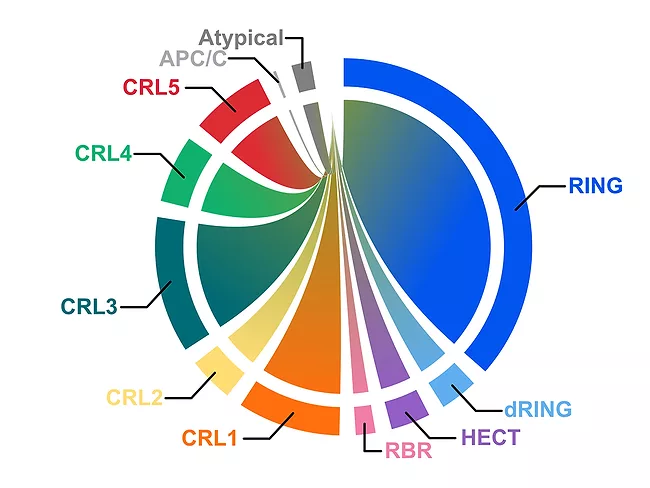
An international team led by Australia’s Walter and Eliza Hall Institute (WEHI) has created the first authoritative atlas for a class of enzymes that regulate almost every cellular process in the human body. The new atlas identifies 672 high-confidence E3 ligases and provides a new reference framework for disease biology and targeted protein degradation research.
 RSS
RSS