Researchers from the China Pharmaceutical University and Guangdong Pharmaceutical University (China) have unveiled the crucial role of the alternative splicing of E2A in myogenic progression and demonstrated that PTBP1, by controlling E2A alternative splicing, is a critical regulator of myogenesis.
Researchers from Sungkyunkwan University and Txinno Bioscience Inc. recently presented their work where they aimed to design, synthesize and evaluate ectonucleotide pyrophosphatase/phosphodiesterase 1 (ENPP1) inhibitors containing a benzotriazole core and a sulfonimidamide Zn binder.
Ovid Therapeutics Inc. has announced plans to initiate a phase I study of OV-4071, an oral, direct activator of potassium-chloride cotransporter 2 (KCC2), having received Australian Human Research Ethics Committee (HREC) approval and clinical trial notification (CTN) acknowledgement from Australia’s TGA.
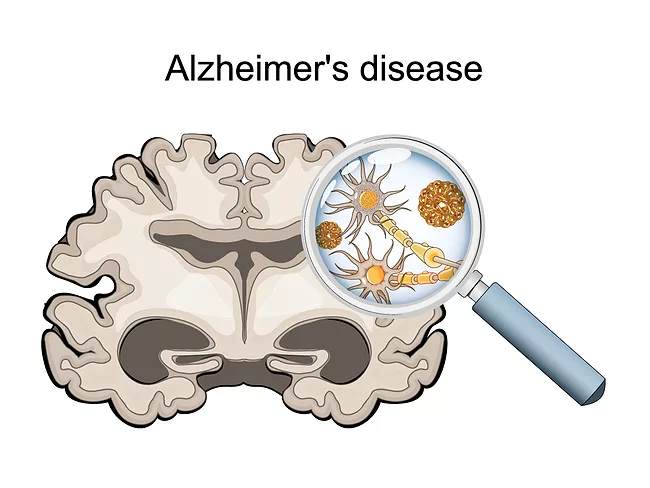
A new way of understanding Alzheimer’s disease, based on biological inflection points that mark decisive moments in the progression of the disorder, could change how new drugs are developed to achieve more effective therapies. This new perspective could rethink strategies that depend not so much on the target itself, but on the precise moment at which it is addressed.
Suzhou Bioreinno Biotechnology Ltd. Co. has identified antibody-drug conjugates comprising antibodies covalently linked to a cytotoxic drug through a linker. They are reported to be useful for diagnosis and treatment of cancer.
CSPC Zhongqi Pharmaceutical Technology (Shijiazhuang) Co. Ltd. has disclosed crystalline forms of phosphodiesterase PDE4B2 inhibitors. They are reported to be useful for the treatment of chronic obstructive pulmonary disease, interstitial lung diseases and asthma.
Shandong Xiansheng Maidejin Biological Pharmaceutical Co. Ltd. has prepared and tested cyclin-dependent kinase 4 (CDK4) inhibitors reported to be useful for the treatment of cancer.
Jiangsu Chia Tai Qingjiang Pharmaceutical Co. Ltd. has synthesized peptide epoxyketone compounds acting as proteasome inhibitors. They are reported to be useful for the treatment of systemic lupus erythematosus, ulcerative colitis and rheumatoid arthritis.

 RSS
RSS