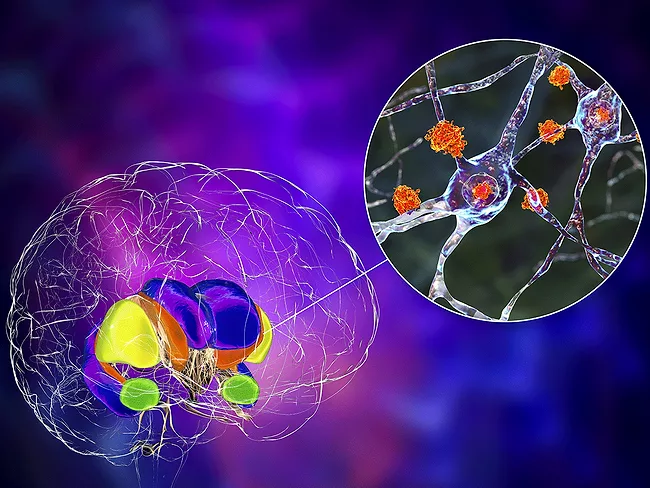
Mutant huntingtin (HTT) protein is the main cause of the pathological features leading to Huntington's disease (HD) development, a neurological disorder characterized by CAG repeat expansion in exon 1 of the HTT gene, which causes neuronal dysfunction and death along the brain.
Researchers from Broad Institute and Harvard University presented the discovery of all-in-one virus-like particles (VLPs) designed to deliver prime editor (PE) ribonucleoprotein (RNP) complexes into mammalian cells.
Naegleria fowleri, colloquially known as the "brain-eating amoeba," is a water-borne amoeba and the leading cause of primary amoebic meningoencephalitis (PAM). In a recent study published in Scientific Reports, researchers from the University of Central Punjab aimed to design an mRNA-based vaccine against PAM.
IMU Biosciences Ltd. has raised £11.5 million (US$14.7 million) in a series A round to further develop and commercialize profiling technology that can identify from a blood sample which of more than 2,000 cell types are present in an individual’s immune system.
Kissei Pharmaceutical Co. Ltd. has described 3,4-dihydroquinolin-2(1H)-one compounds acting as thyroid-stimulating hormone (thyrotropin) receptor (TSHR) antagonists reported to be useful for the treatment of hyperthyroidism, Graves’ disease and thyroid-associated ophthalmopathy.
 RSS
RSS