Mindset Pharma Inc. has patented new indoline derivatives acting as 5-HT1A receptor agonists and thus reported to be useful for the treatment of neurological and psychiatric disorders.
Sichuan Haisco Pharmaceutical Co. Ltd. has developed pyrazinone derivatives acting as protein mono-ADP-ribosyltransferase TIPARP (PARP-7; ARTD14) inhibitors. They are reported to be useful for the treatment of cancer.
Sodium channel protein type 10 subunit α (SCN10A; Nav1.8) blockers have been reported in a Vertex Pharmaceuticals Inc. patent as potentially useful for the treatment of pain, arrhythmia, Charcot-Marie-Tooth disease, cough, urinary incontinence and multiple sclerosis.
Previous research found that transplanting human induced pluripotent stem cell-derived neural stem/progenitor cells (hiPSC-NS/PCs) promoted motor functional recovery in animal models of spinal cord injury (SCI). hiPSC-NS/PC transplantation has been recently evaluated for subacute SCI in a first clinical trial. However, animal studies revealed that the effectiveness of NS/PC transplantation varies depending on the state of the injured spinal microenvironment, with reduced therapeutic effects in severe models. Hepatocyte growth factor (HGF) is a potent growth factor that promotes tissue regeneration through the MET receptor and constitutes an interesting candidate to enhance the efficacy of NS/PC transplantation.
Protein tyrosine kinase 7 (PTK7) is a pseudo tyrosine kinase overexpressed in many cancer types such as ovarian, triple-negative breast cancer (TNBC), non-small-cell lung cancer, small-cell lung cancer and bladder cancer, but limited expression in normal tissues.
Researchers from the University of Michigan and affiliated organizations presented data from a study that identified a link between a new neurodevelopmental disorder and biallelic variants in the EPB41L3 gene, which encodes band 4.1-like protein 3 that plays important roles in neuronal development, myelination and cytoskeletal organization.
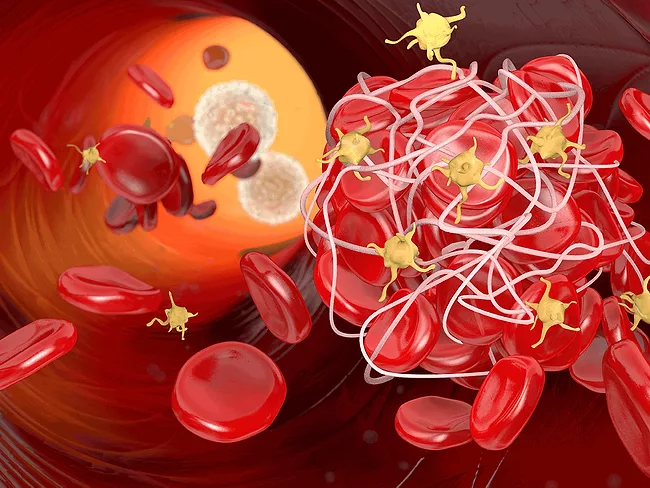
Sirius Therapeutics Inc. has submitted an application in Australia to begin a first-in-human trial of SRSD-107 for the prevention and treatment of thromboembolic disorders.
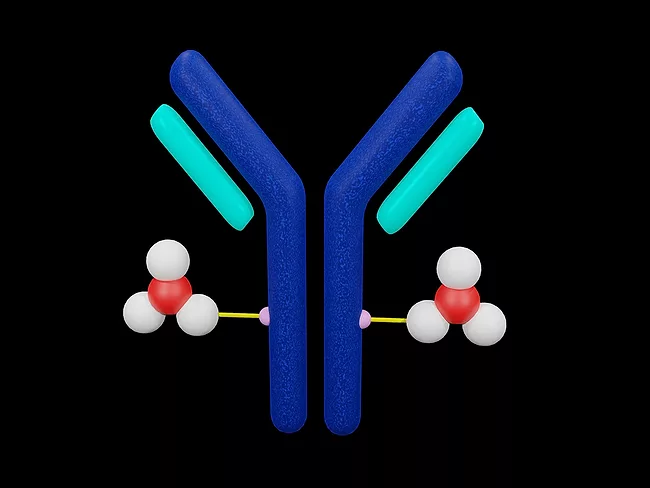
Researchers from Biocytogen Pharmaceuticals (Beijing) Co. Ltd. and Doma Biopharmaceutical (Suzhou) Co. Ltd. reported the discovery and preclinical data of DM-005, a novel fully human EGFR × MET bispecific antibody-drug conjugate (ADC) being developed for the treatment of cancer.
Pasithea Therapeutics Corp. has selected a lead therapeutic candidate for its PAS-003 program, a proprietary humanized monoclonal antibody that targets α5β1 integrin, a protein overexpressed in both humans and mice with amyotrophic lateral sclerosis (ALS).
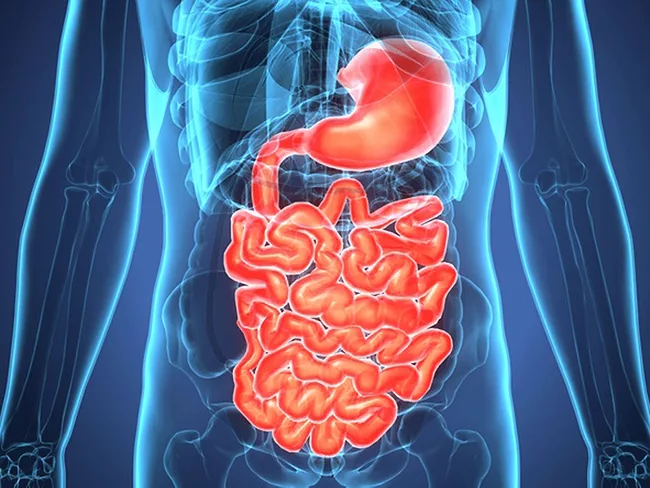
Sosei Group Corp. and Kallyope Inc. have announced the successful identification, validation and nomination of a first G protein-coupled receptor (GPCR) target to enter a therapeutic discovery program for gastrointestinal (GI) diseases. The nominated target will advance into a structure-based drug discovery program.

 RSS
RSS