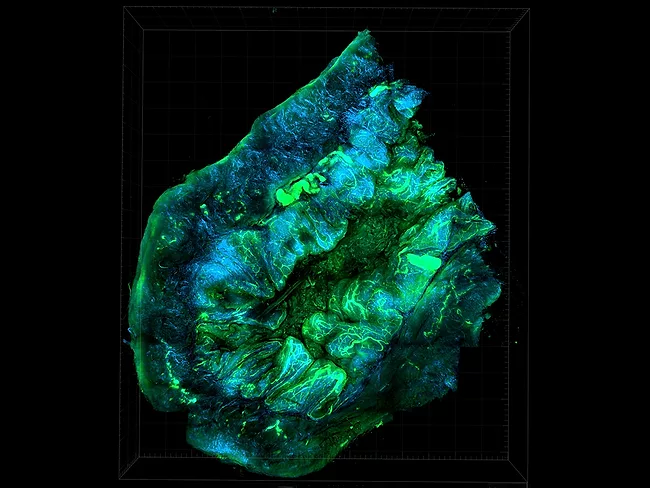
Researchers at University of Arizona and University of Dundee have disclosed dual-specificity tyrosine-(Y)-phosphorylation regulated kinase 1A (DYRK1A) inhibitors reported to be useful for the treatment of cancer, diabetes, osteoarthritis, Down syndrome, inflammatory disorder, autoimmune and Alzheimer’s disease.
Bolden Therapeutics Inc. has closed a $1.5 million pre-seed convertible note financing. This financing, together with National Institutes of Health (NIH) small business grants, will support preclinical development of Bolden's antisense oligonucleotides to promote neurogenesis.
PDC*line Pharma SA has announced the selection of the PDC*neo+ project for funding by the Walloon region of Belgium and Biowin, the health cluster for Wallonia.
DNA replication stress induced by oncogenes is a known driver of chromosomal instability, which is associated with poor prognosis in several cancer types.
Tr1x Inc. announced a $75 million series A financing to advance universal allogeneic regulatory T (Treg) and chimeric antigen receptor (CAR)-Treg cell therapies into the clinic to treat autoimmune and inflammatory diseases.
Inhibiting the aggregation process of Aβ42 is one of the main objectives in the development of therapies for Alzheimer’s disease, but the heterogeneous nature of the neurotoxic oligomers poses a significant challenge. Researchers from the Universita degli Studi di Firenze presented the preclinical evaluation of DesAb-O, a single-domain antibody targeting Aβ42 oligomers.
The combination of chemotherapy (CT) and photodynamic therapy (PDT), which combines light and a photosensitizing agents, is increasingly being used to enhance the efficacy of cancer treatments.
Angiopoietin-like 4 (ANGPTL4) is a glycosylated and secreted protein that functions as a regulator of cell metabolism and angiogenesis, and which has been shown to play a critical role in tumorigenesis.
Researchers from China have elucidated the prognostic role of aberrant expression of RNA binding motif protein, X chromosome (RBMX) in several cancer types using samples from cancer patients.

 RSS
RSS