Researchers from China Pharmaceutical University have reported the discovery and preclinical evaluation of novel bifunctional molecules inducing DNA damage and targeting PARP for the treatment of cancer.
Sana Biotechnology Inc. has obtained FDA clearance of its IND application to conduct a study of SC-262 in patients with relapsed or refractory B-cell malignancies, initially in patients who have received prior CD19-directed chimeric antigen receptor (CAR) T therapy.
Apertura Gene Therapy LLC has unveiled its proprietary engineered adeno-associated virus (AAV) capsids that bind to the human transferrin receptor 1 (TfR1) for neurological gene therapy delivery.
Benzothiozinone (BTZ) compounds are among the new entities under development for their antimycobacterial activity, but information on their efficacy in acute tuberculosis (TB) infection models is still lacking.
Researchers from Third Military Medical University of the Chinese PLA have published data from a study that aimed to investigate the biological functions and molecular mechanisms of tandem C2 domains, nuclear (TC2N) in the development and progression of breast cancer.
Kriya Therapeutics Inc. has announced its gene therapy program for thyroid eye disease (TED), KRIYA-586. It is designed to be a one-time, adeno-associated virus (AAV) gene therapy that drives durable expression of a monoclonal antibody blocking the insulin-like growth factor 1 receptor (IGF-1R).
Fractyl Health Inc. has nominated RJVA-001 as the first clinical type 2 diabetes candidate from its Rejuva gene therapy platform, which is designed to deliver locally administered genetic medicines to the pancreas.
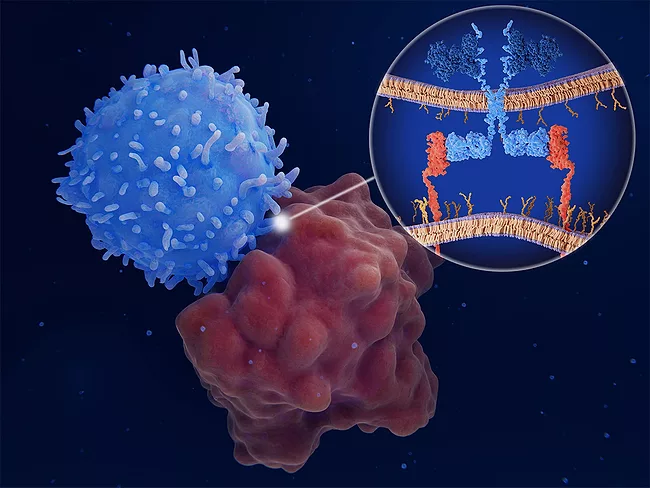
It is largely known that the expression of programmed cell death 1 ligand 1 (PD-L1) contributes to immune evasion by cancer cells, thus avoiding the cytotoxic effect exerted by T cells. Therefore, it is important to understand the mechanisms regulating PD-L1 levels.
Researchers at Monash University in Melbourne have discovered that transcription factors Ikaros and Aiolos work by binding to AP-1 transcriptional complexes and driving their transcription, which regulates thousands of genes in the human body.
 RSS
RSS