The KCNC1 gene encodes the voltage-gated potassium channel subunit KV3.1, and variants in this gene have been previously linked to developmental and epileptic encephalopathy (DEE).
Neuexcell Therapeutics Inc. has announced that NXL-004, an investigational AAV gene therapy product being developed for the treatment of malignant glioma, has been awarded orphan drug designation by the FDA.
The Novo Nordisk Foundation is committing up to DKK1.8 billion (US$260 million) to establish a research and vaccine development initiative that aims to create new or improved vaccines for respiratory diseases, including tuberculosis (TB) and influenza.
A sustained antiplatelet effect plus target selectivity are the two major requirements for developing new antithrombotic therapies. Increasing the levels of cAMP in the platelets by the action of a prostacyclin receptor (PTGIR) agonist is a possible approach for this purpose. Researchers from the University of Michigan have presented preclinical data on their PTGIR agonist CS-585, which has shown higher blood stability, as a potential therapeutic for thrombosis.
Researchers from Zhejiang University and affiliated organizations have reported the discovery of novel orally bioavailable bromodomain-containing protein 9 (BRD9) proteolysis-targeting chimera (PROTAC) candidates for the treatment of acute myelocytic leukemia (AML). Synthesis and optimization led to the discovery of a novel series of BRD9 PROTACs, with compound [I] selected as the lead candidate with the best degradation and proliferation inhibition activities in vitro.
Isozymes that are overexpressed in cancer and key in some metabolic processes are potential therapeutic targets. Previous studies found that phosphoenolpyruvate carboxykinase 2 (PCK2) is required by cancer cells for maintaining high metabolic activity and proliferation in some cancer types, but no small-molecule PCK2 inhibitors currently exist.
Replay Holdings LLC and Miltenyi Biotec BV & Co. KG have announced a licensing and manufacturing agreement to support the development of a GMP-compliant T-cell receptor (TCR) natural killer (NK) cell therapy targeting the tumor-associated neoantigen, PRAME.
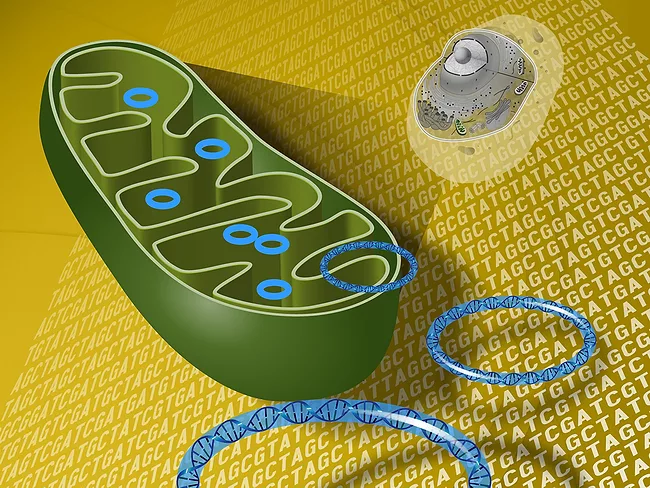
Although there are different methods of nuclear gene editing, there are still no effective treatments against mitochondrial disorders due to genetic alterations. Now, a group of researchers at Precision Biosciences Inc. and the University of Miami (UM) has developed a genetic edition platform that targets mitochondrial DNA (mtDNA) to delete its mutations.
“The ARCUS technology that we use is based on an enzyme found in nature called I-CreI. It is an enzyme that recognizes a 22 base pair DNA sequence within a species of green algae. And when it finds that DNA sequence, it will generate double-strand breaks,” first author Wendy Shoop, a scientist at Precision Biosciences, told BioWorld.
 RSS
RSS