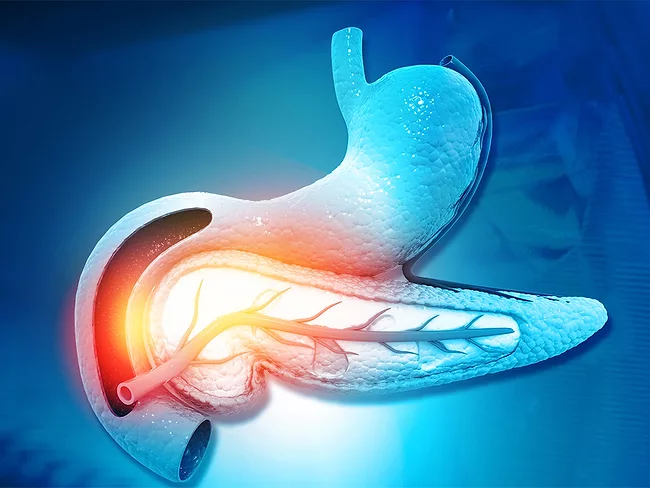
Researchers from Incyte Corp. reported the efficacy of INCB-161734, a KRAS G12D inhibitor, in combination with various strategies in models of pancreatic ductal adenocarcinomas (PDACs).
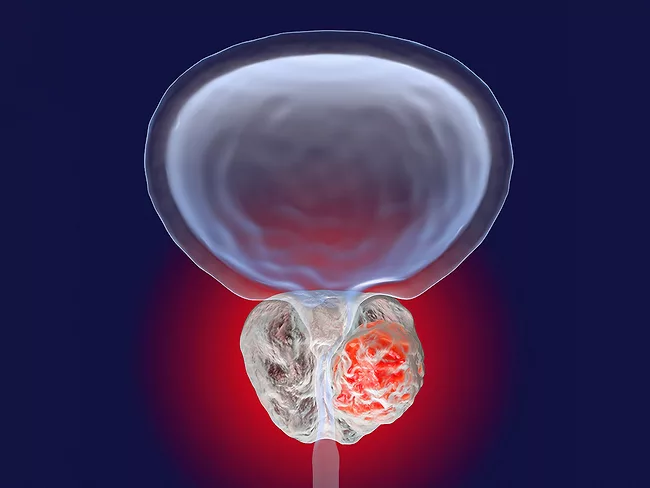
At the ESMO Targeted Anticancer Therapies Congress held this week in Paris, researchers at Mabqi SAS presented the preclinical characterization of MQI-201, an anti-TRPV6 therapeutic antibody in models of metastatic prostate cancer.
Kalohexis LLC has launched as a spin-out from Endevica Bio Inc. with the goal of advancing the clinical development of a portfolio of drug candidates harnessing the melanocortin system for the treatment of metabolic disorders such as obesity and cancer cachexia.
At the ongoing International Conference on Alzheimer’s and Parkinson’s Diseases and Related Neurological Disorders (AD/PD 2026) in Copenhagen, researchers presented details on a new SERCA inhibitor from Synuca Therapeutics ApS – SYN-4569 – as a potential approach to treat multiple system atrophy-cerebellar type (MSA-C).
Excalipoint Therapeutics Inc. launched with an oversubscribed $68.7 million seed financing round to advance a portfolio of T-cell engagers for solid tumors, marking one of the largest early stage financings in China biotech history.
Work at Boehringer Ingelheim Pharma GmbH & Co. KG has led to the synthesis of pyrazolo[5,1-f][1,2,4]triazin-4-ones acting as NADPH oxidase 4 (NOX4) inhibitors. As such, they are described as potentially useful for the treatment of liver disease, portal hypertension, viral infection, cancer, interstitial lung diseases, retinopathy, inflammation and fibrosis.
Academia Sinica and National Cheng Kung University have divulged peptides and their lipid nanoparticles formed on encapsulation by 1,2-dioleoyl-sn-glycero-3-phosphocholine (DOPC), cholesterol and DSPE-PEG2K liposomes reported to be useful for the treatment of cancer.
Beijing Innocare Pharma Tech Co. Ltd. and Innocare Pharma Inc. have patented molecular glue degraders acting as VAV1 degradation inducers. They are reported to be useful for the treatment of autoimmune disease and inflammatory disorders.
Shanghai Huilun Pharmaceutical Co. Ltd. has synthesized potassium voltage-gated channel subfamily KQT member 2/3 (KCNQ2/3) activators. They are reported to be useful for the treatment of epilepsy, neuropathic pain, ischemic stroke and neurodegeneration.
Biohaven Therapeutics Ltd. has presented prodrugs of betahistine reported to be useful for the treatment of obsessive-compulsive disorder, trichotillomania, Tourette syndrome, amyotrophic lateral sclerosis, multiple sclerosis and more.
 RSS
RSS