Multispecifics took center stage at this year’s ESMO TAT, emerging as one of the hottest trends in oncology research. Unlike traditional small-molecule drugs or monoclonal antibodies that typically target a single protein, multispecific compounds are engineered to harness multiple mechanisms of action within a single molecule. They orchestrate biology rather than just blocking it.
Uppthera Inc. has patented new NLRP3 inflammasome inhibitors potentially useful for the treatment of cancer, metabolic and autoimmune diseases, cardiovascular, inflammatory, neurological, renal and respiratory disorders, among others.
Ensem Therapeutics Inc. has divulged new bicyclic heteroaryl and heterocyclic compounds acting as Werner syndrome ATP-dependent helicase (WRN; RECQ3; RECQL2) inhibitors potentially useful for the treatment of cancer.
The Scripps Research Institute has discovered new bicyclo[1.1.1]pentane-based DNA topoisomerase inhibitors and antibody-drug conjugates comprising a monoclonal antibody covalently linked to a DNA topoisomerase inhibitor. They are described as potentially useful for the treatment of cancer.
Bolt Biotherapeutics Inc. has prepared and tested new immunoconjugates comprising antibodies covalently linked to stimulator of interferon genes protein (STING; TMEM173) agonists. They are designed for potential use in the treatment of cancer.
Researchers from the Chinese Academy of Sciences reported the design and preclinical characterization of YCH-3971, a selective PARP1 inhibitor developed for the treatment of BRCA-mutated tumors.
Researchers from GSK plc and collaborators described the identification of MMV-1581361, a PfATP4 inhibitor, and its efficacy in models of malaria. The compound originates from MMV-020136, following structure-activity relationship studies to optimize antimalarial activity.
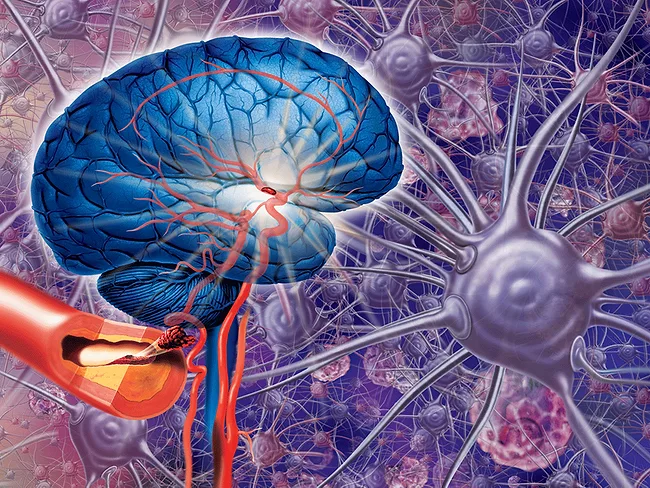
Sichuan Primed Shines Bio-Tech Co. Ltd. researchers have published results on their investigation regarding SYW-06 oral dosing and its impact on cognitive function in monkeys submitted to middle-cerebral artery occlusion (MCAO).
CAR T-cell therapy can be applied to treat some chronic infectious diseases, particularly to provide a functional cure for HIV-1 in people living with HIV. However, the effectiveness of CAR T cells for persistent suppression of HIV still faces many constraints, including the high mutation rate of reverse transcriptase, which enables the emergence of immune escape viral variants.
 RSS
RSS